
past STUDENT-LED RESEARCH
Each year, the Montana Water Center awards Montana graduate students with financial support through an annual Water Resource Fellowship Program. To learn more about the past Montana Water Center Fellows, please read about their work below.
2015 STUDENT FELLOWS

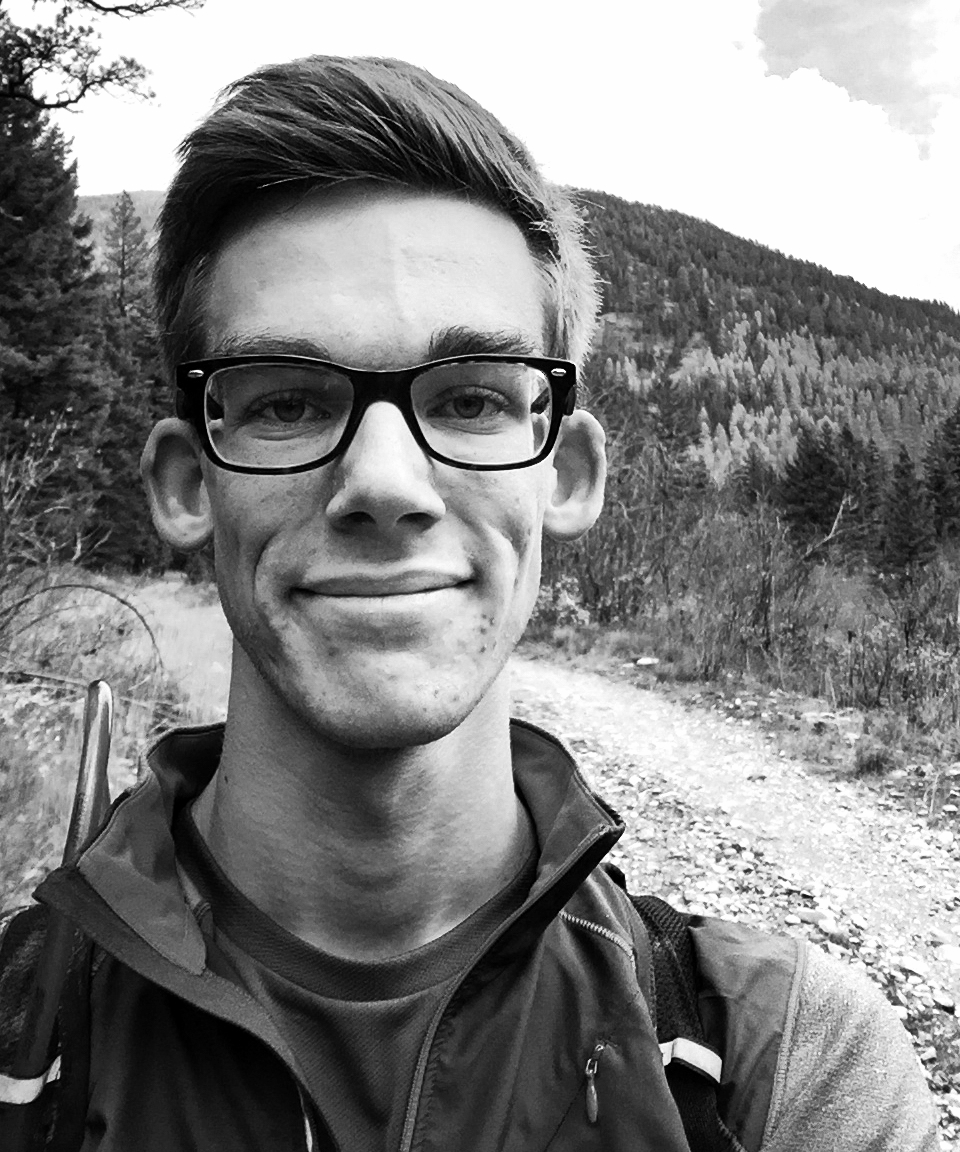


Sarah Benjaram: Landscape evolution
Sarah Benjaram, graduate student in MSU's Department of Earth Sciences, is investigating the physical and chemical weathering processes that deliver sediment loads into river system. By quantifying controls on soil formation and weathering, Sarah's research will strengthen scientific understanding on how landscapes develop to their present state, and how they may evolve with climate change. By examining geomorphology and geochemistry, Sarah Benjaram will compare the relative effects of past and present climate on modern landscape evolution.
Sarah's research design will depend on sample collection and comprehensive observational studies, including: measuring soil cover, thickness and chemistry in selected tributaries as well as using cosmogenic nuclides in river sands to quantify millennial-scale, and catchment-wide erosion rates.
Dr. Jean Dixon (Montana State University) and Dr. Andrew Wilcox (University of Montana) will provide mentorship and guidance throughout the duration of her project.
MICHAEL JAHNKE: EFFECTS OF WILDFIRE ON WATER RESOURCES
For the past thirty years, across the western United States, wildfire activity has increased in both frequency and duration, especially throughout the mid-elevation Northern Rockies forests of Montana. These regions are strongly associated with increased spring and summer temperatures and an earlier spring snowmelt. Unsurprisingly, wildfires are also leading to dramatic changes across natural habitat.
Currently based in Missoula, Michael has established a field study site at Rye Creek – a tributary of the Bitterroot River in southwest Montana. This area exhibits a semiarid climate and is especially prone to wildfires, which destabilize mountain slopes and lead to debris flows. Ultimately, by moving debris such as downed timber and increased sediment loads, these flows may impact stream and riparian habitat, water quality, and even water availability.
MIRANDA MARGETTS: Improving Public Health
Across the country, water quality plays an important role in the overall public health of tribal communities. Despite its importance, however, the legal framework surrounding water quality varies regionally and is often difficult to comprehend.
In response, Miranda Margetts (above left), Montana State University graduate student researcher, and a team of public health experts at MSU (including Dr. Vanessa Simonds in the Department of Health and Human Development) are developing a toolkit aimed at improving environmental health literacy in tribal communities nationwide. This toolkit will assist tribal community members in making more informed environmental health decisions by strengthening local understanding of basic environmental laws and water policy.
Taylor Wilcox: Conserving Native trout
Montana’s freshwater streams and river habitats are often considered the quintessential trout fisheries of the lower 48 contiguous United States. In recent years, however, invasive fish species have increasingly challenged the overall sustained health of native trout habitat. This poses a major threat to native trout conservation and demands the attention of scientists and sportsmen alike.
At the University of Montana in Missoula, Taylor Wilcox, Ph.D. student, and a team of fisheries scientists are investigating how invasive fish species influence the persistence of native fish species across rivers and streams. Specifically, Taylor is using genetics to study environmental DNA (explained below) and helping to develop novel and cost-effective research techniques.
Environmental DNA (eDNA) refers to genetic material which is found free in the environment – much like genetic evidence at a crime scene. In freshwater ecosystems, fish and other animals release DNA into the water, where it can be captured and analyzed without ever seeing the animal that it came from. Overall, sampling for eDNA will provide [potential] important scientific insight on the overall heath, distribution, and population of invasive and native fish species across the Montana.