
past STUDENT-LED RESEARCH
Each year, the Montana Water Center awards Montana graduate students with financial support through an annual Water Resource Fellowship Program. To learn more about the past Montana Water Center Fellows, please read about their work below.
2019 STUDENT FELLOWS
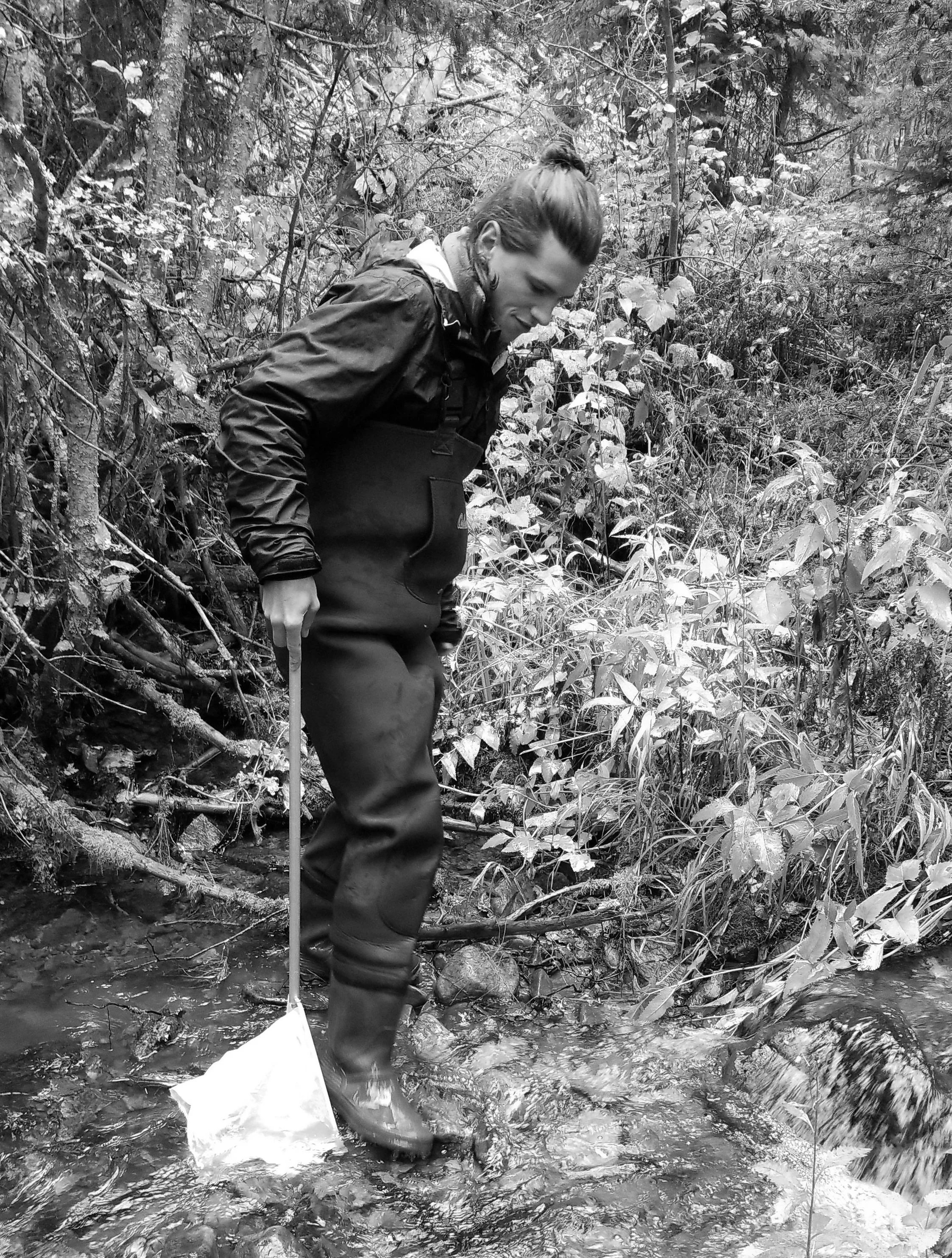
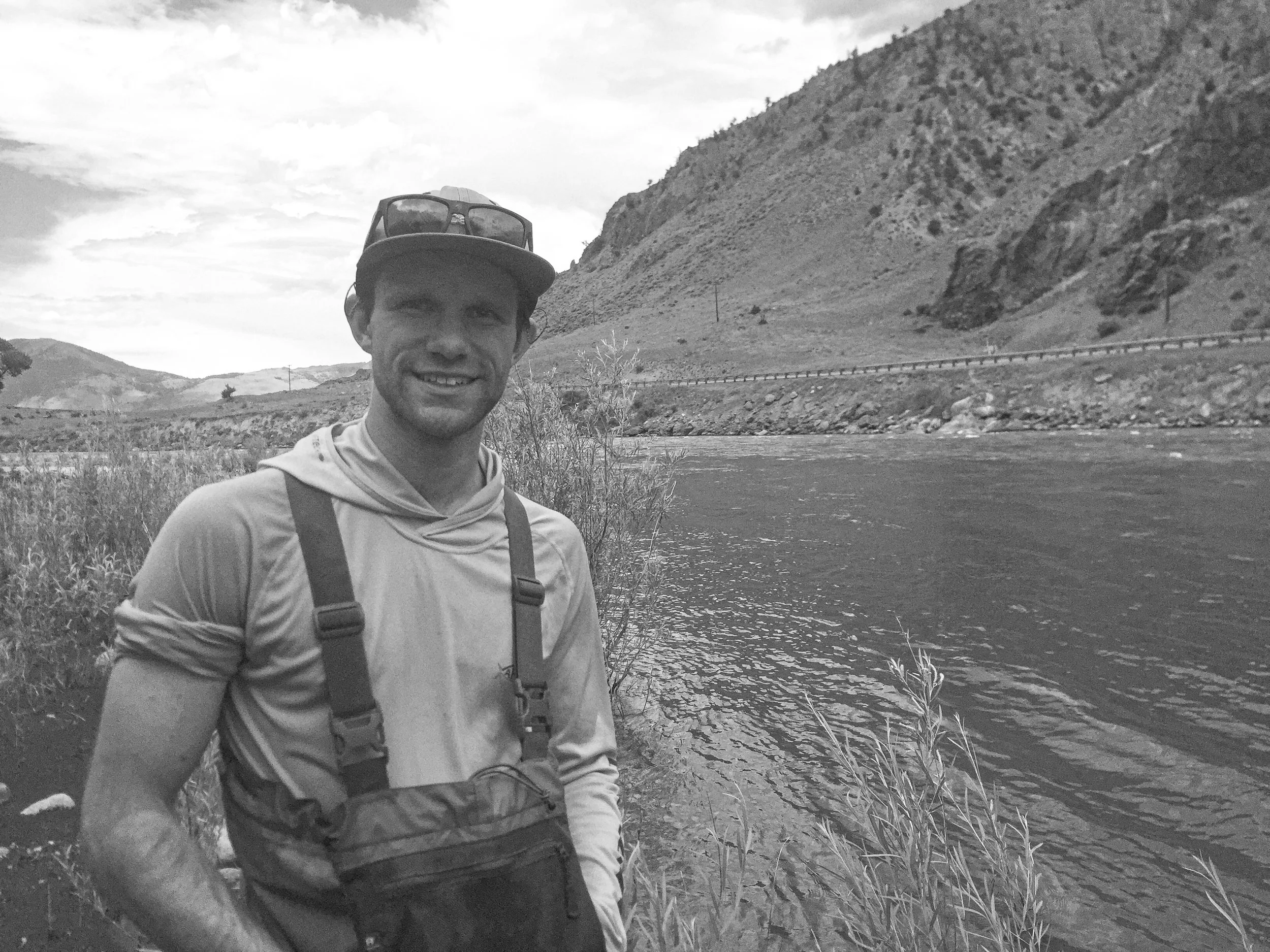
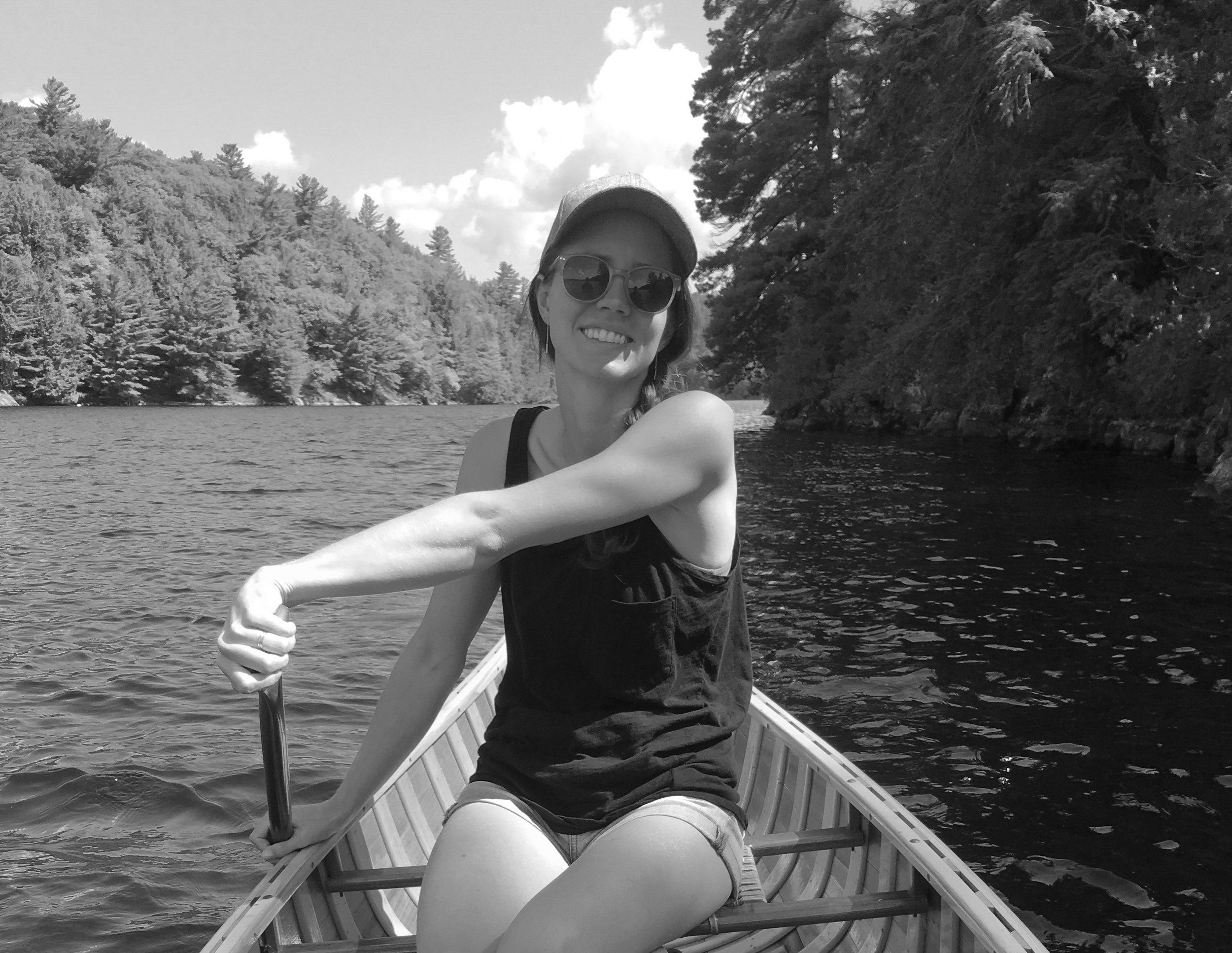

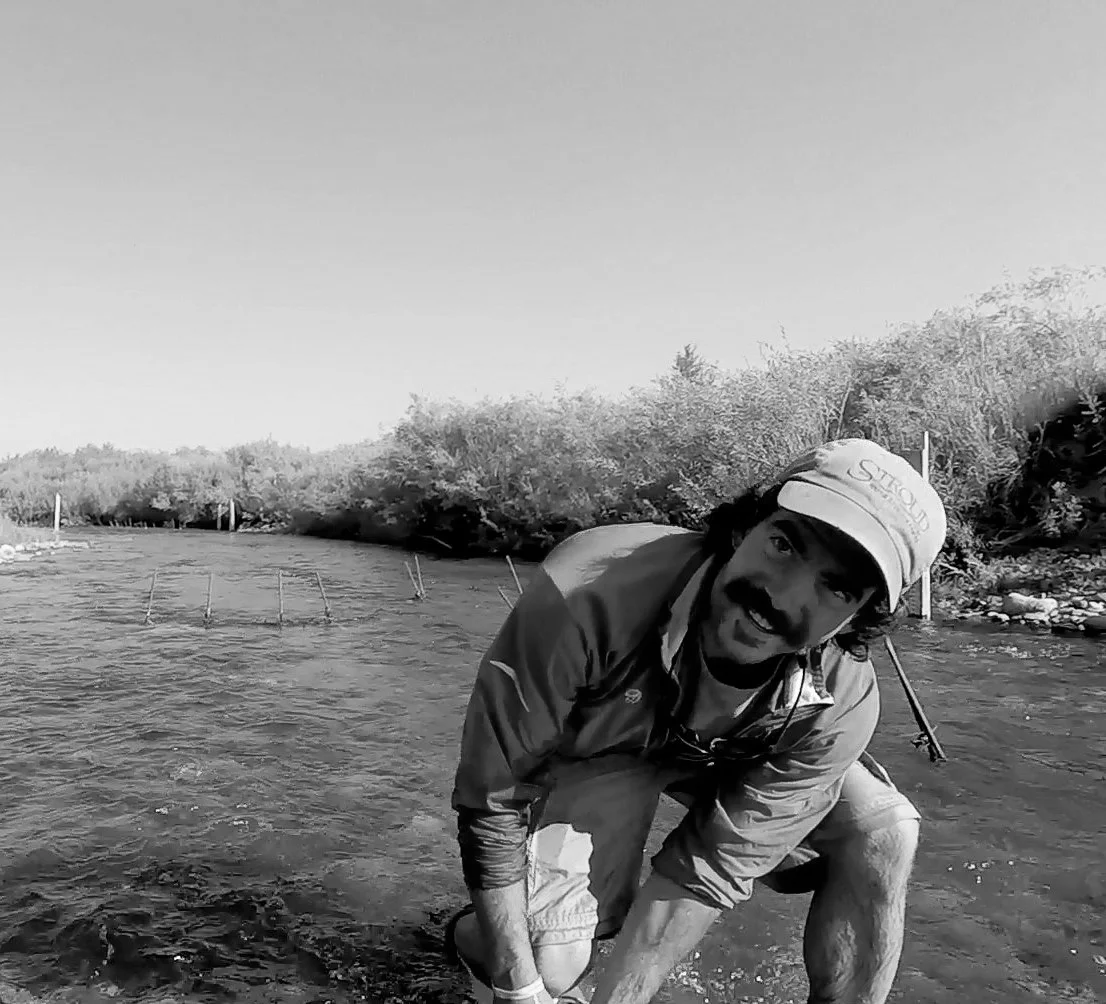
jackson Birrell: Variation in oxygen, temperature and flow in streams and how they influence the behavior of the giant salmonfly, Pteronarcys californica
Aquatic insects are integral components of stream ecosystems and are the primary food resource of Montana’s trout populations. However, many aquatic insects are sensitive to environmental change and are undergoing range shifts and local extirpations across the State. Predicting how populations will respond to climate change remains a high priority for watershed managers, yet our ability to do so is limited because we lack a clear understanding of the mechanisms that drive aquatic insect tolerances and distributions.
Jackson Birrell, a PhD student at the University of Montana, will begin to fill this knowledge gap by measuring how the microhabitat preferences and tolerances of salmonfly nymphs (Pteronarcys californica), respond to variation in their environment. His research will facilitate a better understanding of the mechanisms that drive the distributions and tolerances of aquatic insects and will ultimately enhance our ability of predict how aquatic insect communities will respond to climate change.
kimberly Bray: Primary controls on nitrate use in lotic systems
Carbon (C) and nitrogen (N) cycling are often closely linked within aquatic systems, which can be manifested as tight connections between metabolism and N retention. Environmental factors, such as light and heat energy, can impact C and N use by biota via alteration of benthic standing stock development. Furthermore, disturbance events, like persistent sediment scour and deposition, can inhibit both ecosystem form and function. Such casual relationships will be investigated in Miller Creek of western Montana to elucidate the primary drivers of nitrate retention in a headwater stream.
Kimberly Bray, a M.S. student at the University of Montana, is researching ecosystem controls on nitrate retention in Miller Creek. A suite of autonomous sensors will be deployed in the headwater stream, located in southwestern Montana, to understand the casual chains that alter biological nitrate use. Additionally, experimentation with raised tiles and mesocosms will be used to investigate the role of streambed mobility as a potential inhibitor of standing stock accumulation, metabolism, and nitrate uptake.
JESSE BUNKER: Quantification of Groundwater Flux at a Hydrothermal Feature in the Yellowstone River
The Greater Yellowstone Ecosystem hosts mountainous terrain and thousands of hydrothermal features that interact with rivers of various size and geomorphology. Hydrothermal inputs often have distinct thermal and chemical signatures that can have significant ecological and biogeochemical implications.
Jesse Bunker, a graduate student at Montana Technological University, is researching groundwater surface water interactions in the Yellowstone River near La Duke Hot Springs. He is using streambed temperature profiles to quantify vertical seepage flux as well as drones to develop 3D optic and thermographic models. This research will provide insight to the seasonal variability of seepage flux and hydrothermal river mixing.
Leah joyce: The influence of beavers on amphibian parasite dispersal in Glacier National Park
The chytrid fungus, Batrachochytrium dendrobatidis, is a microscopic, aquatic parasite implicated in the current devastating amphibian population declines documented across the globe. Spread through contact with spores in the water or skin-to-skin contact, the fungus infects the skin of amphibians without obvious signs of infection. The most common way to test for the fungus is through swabbing amphibian skin then detecting the fungus DNA in a laboratory, however, water filtration methods are being developed to detect this fungus in the water and in the absence of amphibians.
Leah Joyce is a graduate student in Winsor Lowe's lab at the University of Montana. Her research focuses on chytrid fungus dispersal across the changing hydrology and habitats of beaver-engineered ponds and beaver-less ponds in Glacier National Park. With help from the Montana Water Center, Leah is using water filters to understand how changes in hydrology due to beavers may affect chytrid fungus spore dispersal in the water, and infections in amphibians. She will be comparing water filtration methods to detect chytrid fungus to the traditional skin swabbing method.
Holly nesbitt: Dynamics of changing water availability and water rights administration in the Upper Clark Fork River Basin
Water is a critical resource for social-ecological systems, yet water scarcity is expected to worsen under societal and climate change. Although climate change is projected to have considerable effects on water availability, water use and governance are larger drivers of water scarcity for many watersheds around the globe. In western water law in the US, water rights are governed by prior appropriation or “first in time, first in right,” which means older water rights have priority to water use during times of limited supply. In Montana, water users face both climate change and imminent governance challenges due to the recent quantification of previously undetermined water rights held by the Confederated Salish and Kootenai Tribes. In the Upper Clark Fork watershed, this could mean that water rights uncontested since the turn of the century will have to reduce their water use during drought.
Holly Nesbitt, a PhD student at the University of Montana, is studying the effects of both governance and climate change on the interactions of individual water users in the Upper Clark Fork watershed. Colleagues at the University of Montana have developed a model that predicts flows and water use for the state; however, the existing model does not yet consider how relevant social dynamics, such as the spatial distribution of water governance, interact with the ecological system to determine outcomes. Holly is integrating the spatial structure of water rights with this model to investigate mechanisms in the emerging social-ecological system and incorporate feedbacks between water user decisions and water availability. She plans to use this model to identify areas of potential adaptive capacity in response to increasing water scarcity.
Luke thompson: Optimization of two-stage solids and nutrient removal wetland treatment system operating at a fish hatchery in a cold climate
Treatment wetlands apply the biogeochemical processes found in the natural environment to reduce contaminant concentrations in polluted water. These natural characteristics along with low operation and capital costs make treatment wetlands an environmentally friendly and sustainable wastewater treatment option.
Luke Thompson, a Master’s student at Montana State University, will be working with the Ennis National Fish Hatchery in employing a two-stage subsurface vertical flow treatment wetland system to treat the wastewater collected from the fish. As the current solids and nutrient loading rate on the wetland is unknown, Thompson will correlate the nutrient and solids loading rate to the mass of fish food fed to help quantify the performance of the treatment wetland and advise operational improvement for nutrient removal.
Benjamin Tumolo: Aquatic Insect Ecosystem Engineering Creates Resource Hot Spots in Montana Streams
Ecosystem engineering is a ubiquitous ecological and geomorphic process by which organisms modify physical habitat characteristics, thereby influencing patterns of biological organization. Often, modification of physical environments by ecosystem engineers creates beneficial habitats and/or ameliorates harsh conditions for a diversity of species that would otherwise be absent.
Benjamin Tumolo a PhD student at Montana State University is investigating how aquatic insect ecosystem engineering by net-spinning caddisflies (Tricoptera Hydropsychidae) may have positive effects on stream ecosystem function by creating hot-spots of insect production. His research measures how silk structures produced by net-spinning caddisflies alters near bed hydraulics and food resource availability in ways that may increase benthic community density and diversity. Findings from this work will be relevant for identifying how negative effects of altered hydrological regimes may be offset by positive interactions between ecosystem engineers and their stream communities in the face of global change.