
past STUDENT-LED RESEARCH
Each year, the Montana Water Center awards Montana graduate students with financial support through an annual Water Resource Fellowship Program. To learn more about the past Montana Water Center Fellows, please read about their work below.
2020 STUDENT FELLOWS
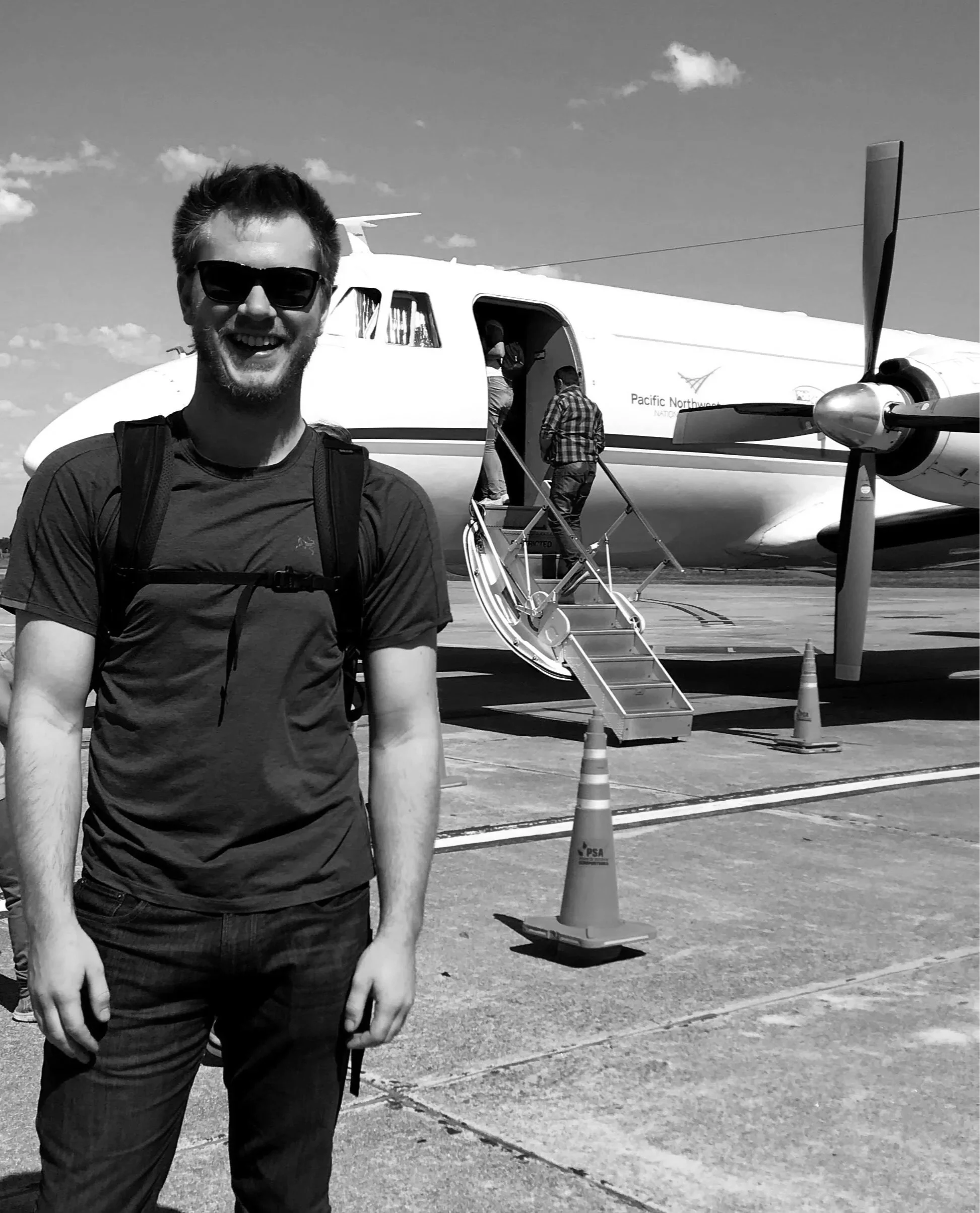
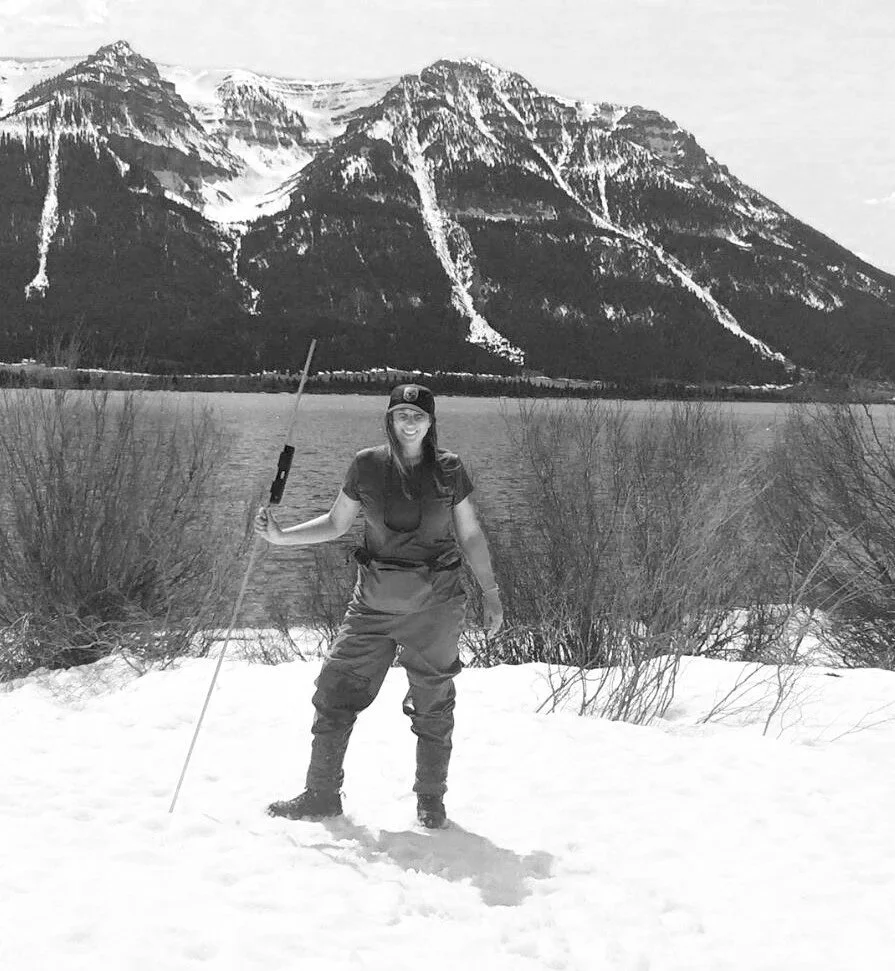
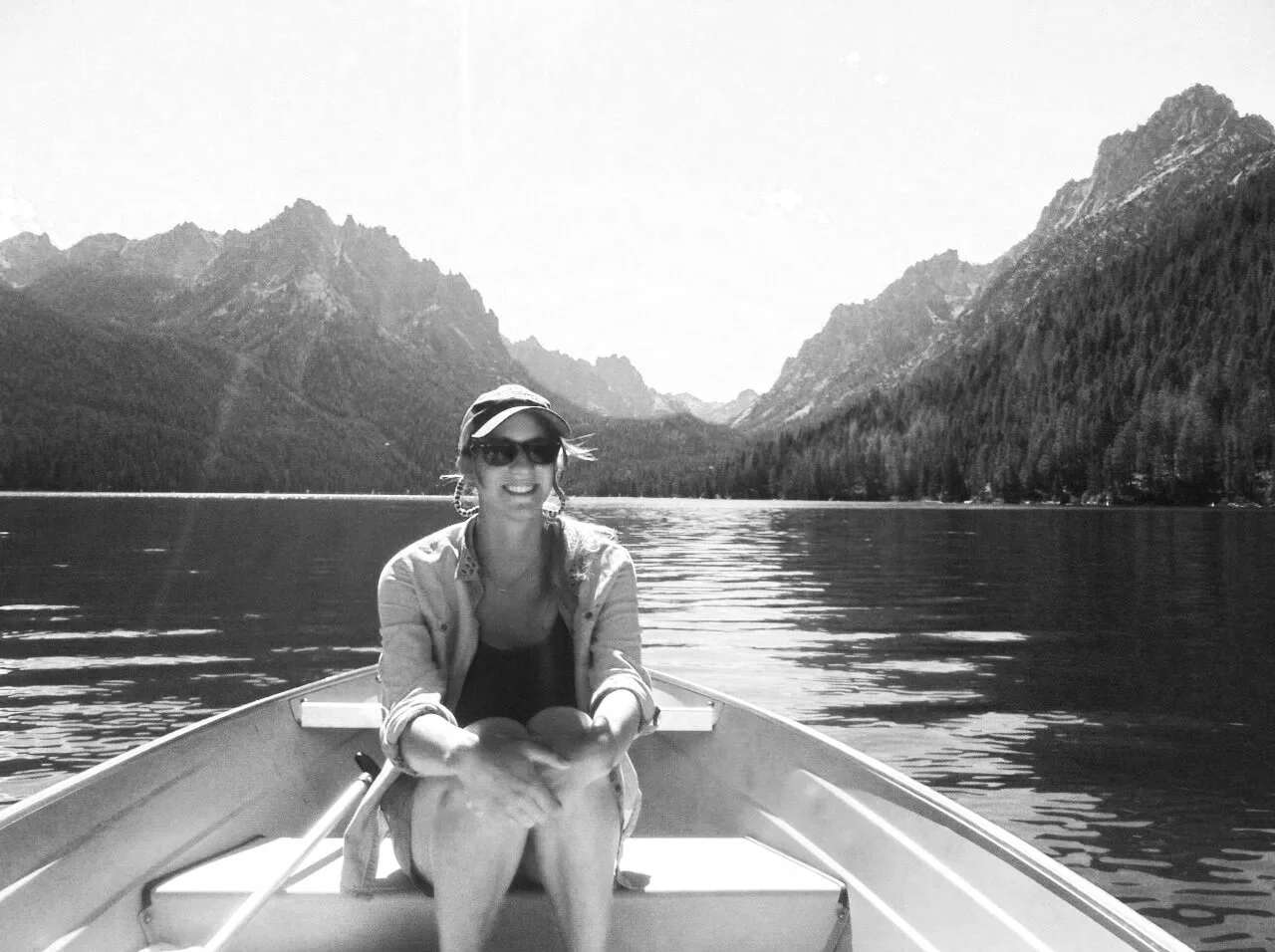
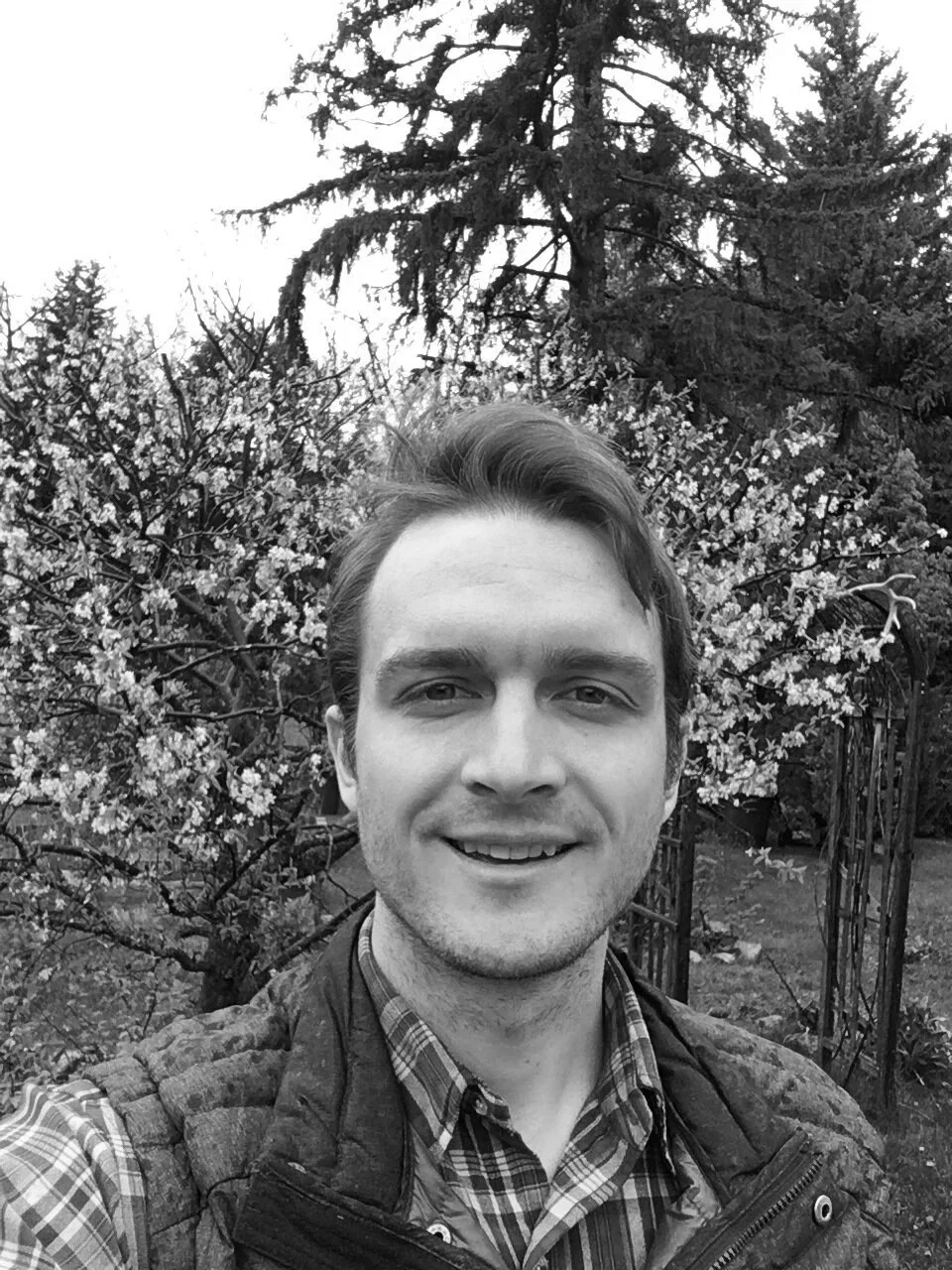
Gabriel Bromley: Exploring Trends in Warm-Season Precipitation in the Northern Great Plains
Extreme precipitation events are increasing in frequency and intensity with global climate change. Significant uncertainty exists in the spatial and temporal changes in extreme precipitation and these changes are critical to understand for public safety, water availability and food systems. In the northern North American Great Plains, recent work has shown that positive precipitation trends are stronger in more recent decades and are occurring preferentially during the early warm season but it’s unclear if this holds true for extreme precipitation.
Gabriel Bromley is a PhD candidate at Montana State University studying the effects of agricultural land use change on regional climate processes of the northern North American Great Plains. His research uses a combination of observational data and high resolution regional climate modeling experiments to ask questions about land use change, surface-atmosphere interactions, and convective precipitation.
Kristen cook: Reproductive and life-history traits of western pearlshell mussels in Montana
The western pearlshell, a freshwater mussel, is designated a species of concern in Montana due to population declines and whole-watershed extirpations. The decline of western pearlshells is particularly alarming considering the benefits freshwater mussels provide to aquatic ecosystems. Freshwater mussels can improve water quality through biofiltration, recycle nutrients, provide important food web components, and act as bio-indicators. Conservation of western pearlshells in Montana will require fundamental information on reproduction and life-history traits that is currently lacking.
Kristen Cook, a graduate student at Montana State University, is determining the timing and duration of western pearlshell reproductive events in Montana, and their relationship to water temperature. She is also investigating the fish hosts of Montana western pearlshell populations.
Anna Crockett: Modeling Adaptive Capacity of Water Law by Integrating Water Rights into a Hydro-economic Model: A Case Study of Instream Flow Policies in MT
Water is a critical component of both social and ecological systems. The uncertainty of climate change, through changes in water availability, compounds the stress on these systems, particularly in the arid Western United States. Governance of water use is another major driver of water availability that will determine the fate of future water supplies. Linking climate change with the legal system for allocating water in western states has been technically difficult, creating challenges for future water allocation needs and current planning.
Anna Crockett is a M.S. student at the University of Montana studying the effects of climate change and governance on water flows and use in the state. Colleagues at the University of Montana have developed a hydro-economic model for Montana that attempts to evaluate how changes in risk and uncertainty influence agricultural decision-making and how this affects the hydrologic system. The model does not yet consider legal thresholds to water availability such as the spatial distribution of water rights. Anna is integrating spatial water rights data with the model to improve model results by more accurately reflecting real-world water availability. She plans to apply this model to take a closer look at instream flows and the balance of water distribution between competing uses as water scarcity increases.
Joe dehnert: A HAND-HELD, STRUCTURE from MOTION, PHOTOGRAMMETRIC APPROACH TO RIPARIAN AND STREAM ASSESSMENT AND MONITORING OF THE UPPER CLARK FORK RIVER, MONTANA
Advances in high-resolution image-matching techniques and machine learning algorithms have been used to create cost-effective, moderately scaled approaches to terrain mapping in riverine landscapes around the world. Finding a way to apply these advanced remote sensing techniques in dynamic riverine environments with variable vegetative cover and lighting could further standardize the way that stream attributes are measured and quantified.
Joe Dehnert, a graduate student at the University of Montana, is researching close-range photogrammetric surveying techniques in the Upper Clark Fork River Basin near Dry Cottonwood Creek. He is using hand-held cameras along heavily vegetated streams to determine what features and characteristics can be derived from 3D models created in photogrammetry software programs. His research will provide information to stream restoration specialists and researchers on the efficacy of using close-range photogrammetric surveys to acquire valuable data along small streams in the western United States.
Katie Fogg: Effects of Floodplain Shade on Hyporheic and Stream Channel Temperatures
Altering stream channel geomorphology to increase hyporheic exchange or planting streambank vegetation to increase shade are two common restoration strategies for thermally impaired stream reaches. In the inter-mountain west, snow melt causes high-energy springtime floods, which can wash away planted vegetation and other man-made alterations made to a stream reach. Thus, typical restoration strategies are usually not suitable for floodplain streams. Given that vegetative shading on floodplain stream banks is not practical, this research investigates the possible cooling effects of vegetative shade on the broader floodplain, outside of the annual scour zone. Since floodplain streams have broad, shallow hyporheic zones and high rates of hyporheic exchange, shading the ground surface overlying the hyporheic zone may lead to notably cooler hyporheic temperatures and thus cooler temperatures in floodplain stream channels.
Katie Fogg is a PhD student in the Department of Land Resources and Environmental Studies (LRES) at Montana State University. Katie research heat exchanges and temperature cycles in floodplain streams. Specifically, she investigates how hyporheic exchange and vegetative shading affect channel temperatures and how heat exchanges across floodplain sediments have the potential to be exploited in restoration and management practices to drive cooler (or warmer) hyporheic and stream channel temperatures.
ross palomaki: Developing the first river ice mapping tool for the Yellowstone River
Seasonal river ice has a profound hydrologic impact on river dynamics and downstream social and ecological systems. The economic impacts of river ice in North America are estimated at $250 million annually, primarily as a result of flooding and infrastructure damage. Despite this environmental and economic importance, river ice dynamics are poorly understood and ice-jam flooding is difficult to model and forecast.
Ross Palomaki, a Ph.D. student at Montana State University, is working to develop the first river ice mapping and monitoring tool for the Yellowstone River. Ross uses computer algorithms to detect river ice from satellite images, then validates those results by capturing aerial photos of the ice with unmanned aerial vehicles (drones). The combination of drone and satellite imagery allows for tracking of river ice during the winter and spring and works toward integrating ice-jam flooding into local flood forecasts.
jose Sanchez-ruiz: Using DNA metabarcoding techniques to evaluate responses of river food webs to heavy metals along the Clark Fork River, Montana
In an time where increasing anthropogenic disturbance (e.g., land-use, pollution, climate change) poses a significant threat to freshwater ecosystem, food webs can provide a powerful way to assess the impact of disturbance on ecosystem structure (e.g., diversity, abundance), and function (e.g., nutrient cycling, production, and energy flow).
Mining is a pervasive disturbance in the western US and represents the major source of heavy metal pollution in freshwater ecosystems globally. Jose A. Sanchez is a Ph.D. student at Montana State University researching how heavy metal pollution and nutrient contamination influence the structure and productivity, and energetic pathways of river food webs. Efforts to understand trophic ecology and impacts on ecosystem function has led to the development of next-generation molecular techniques such as eDNA and metabarcoding. In his research, he will use combination of traditional (i.e., diet analysis) and novel techniques (i.e., DNA metabarcoding) to construct energetic food webs that link food web structure and productivity to the exposure, pathways, and fates of heavy metals in the highly contaminated Clark Fork River, Montana. Explicit consideration of these factors across a gradient of contaminant exposure will both contribute to theory and provide valuable information for river managers as a massive restoration effort continues.