
past faculty RESEARCH
Each year, the Montana Water Center awards funding to Montana University System faculty through the Faculty Seed Grant Program. See below for more information on past Faculty Seed Grant projects.
2020 FACULTY SEED GRANTS
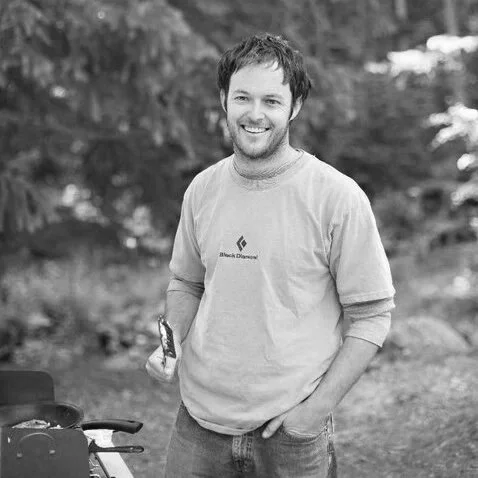
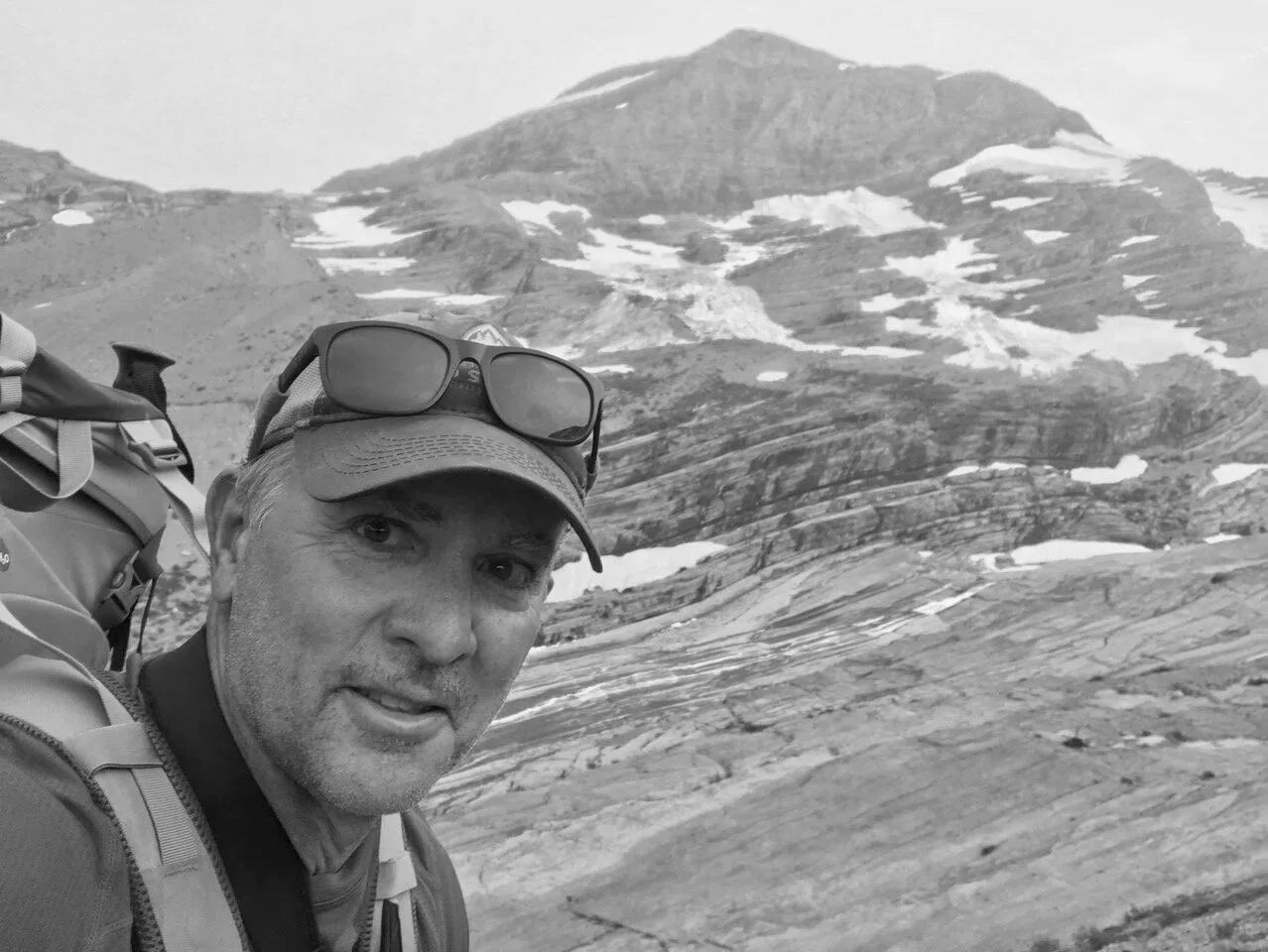

Drs. ashley ballantyne and jim elser: Vanishing Glaciers & Emergent Lakes: constraints on aquatic ecosystem metabolism
Alpine glacier loss in Montana and across the world is resulting in the rapid change and even emergence of downstream lakes. The properties of glacial meltwater impose unique physical conditions on receiving lakes - primarily cold temperatures, high sediment load, and high nutrient concentrations. However, little is known about how biota persist in these conditions and even less about how they will change as glaciers disappear from the landscape. This project examines how the community structure, stoichiometry, and limitation of lake primary producers changes across a gradient of glacial influence. The research team hopes to predict how these lakes will change over time and whether biodiversity contained within them will persist after the glaciers are gone.
Dr. Ashley Ballantyne is an Associate Professor of Bioclimatology at the University of Montana and Dr. Jim Elser is the Bierman Professor of Ecology of the University of Montana and Director of UM’s Flathead Lake Biological Station at Yellow Bay.
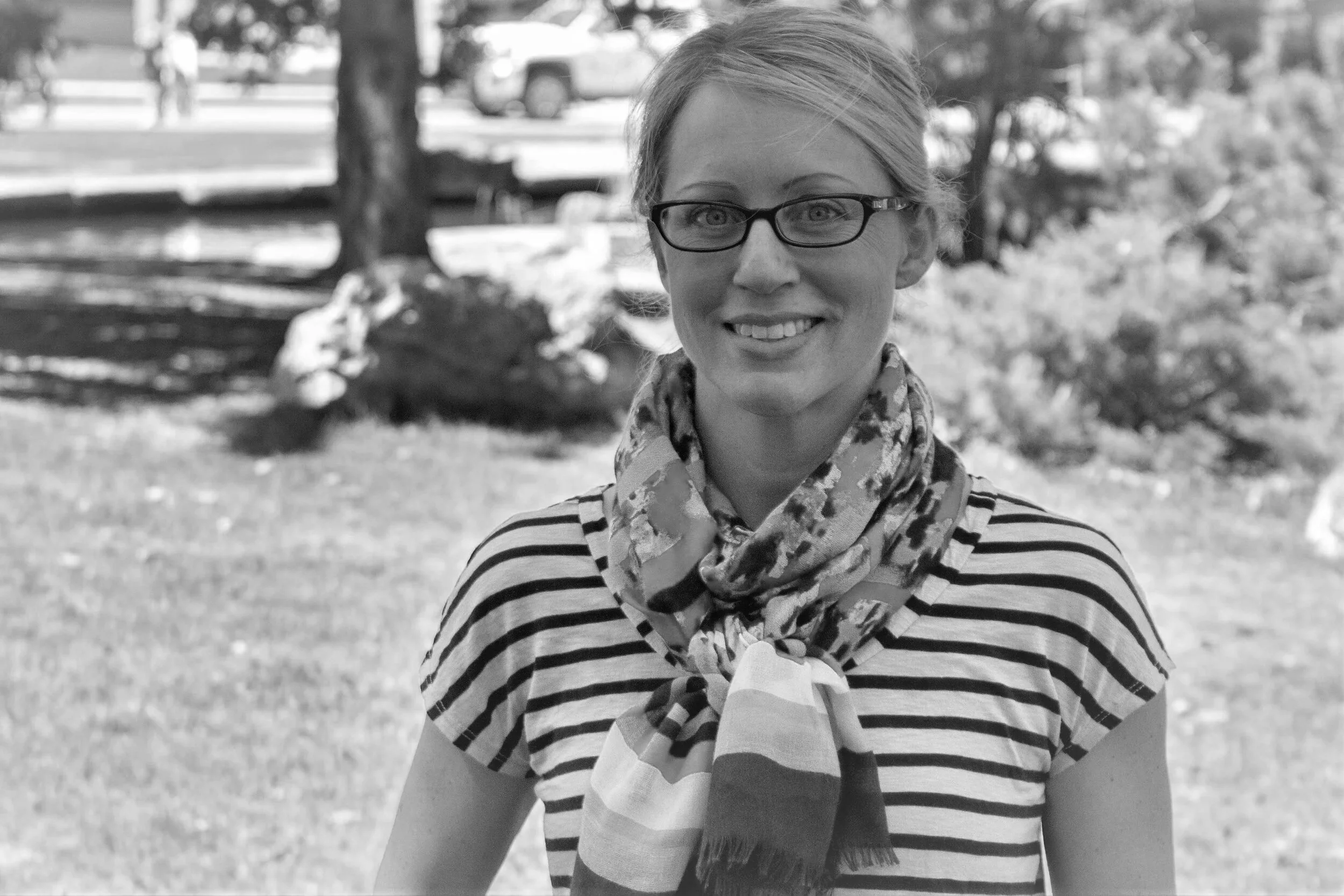
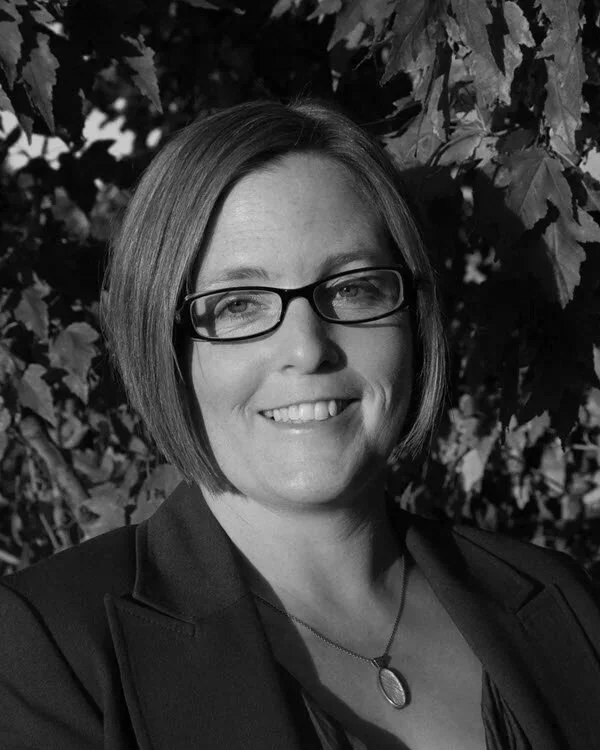
Dr. Catherine Kirkland: Assessing PFAS adsorption to enhance wastewater treatment and water quality
Per- and polyfluoroalkyl substances (PFAS) are ionic surfactants used in numerous consumer products like lubricants, coatings, paint, fabric and carpet treatment, as well as in fire-fighting foams. PFAS are also recalcitrant chemicals which pose a serious public health threat. Two common PFAS in the environment – perfluorooctanoic acid (PFOA) and perfluorooctane sulfonate (PFOS) are known to bioaccumulate in human tissue, have been linked to cancers, and appear to have neurotoxicological effects for fetuses and toddlers. Because of the presence of PFAS in consumer products, effluent from wastewater treatment facilities represents a major source of PFAS to the environment. This proposed research employs a novel wastewater treatment technology, aerobic granular sludge (AGS), to explore how PFAS removal might be enhanced to protect downstream surface water quality. The long-term goal is to develop and apply biofilm-based technologies which enhance the removal of PFAS and related compounds from wastewater streams, before Montana’s waters reach critical PFAS contamination levels. Potential biofilm-based PFAS remediation technologies developed from this work are expected to be self-regenerating and would integrate into existing municipal wastewater treatment systems.
Dr. Catherine Kirkland is an Assistant Professor in the Department of Civil Engineering and the Center for Biofilm Engineering at Montana State University.
(Dr. Kirkland is currently an Associate Professor in the Department of Civil Engineering and the Center for Biofilm Engineering at Montana State University)
Drs. william Kleindl and sarah church: Developing a rapid wetland benefit assessment (WBA) for montana state and tribes
Federal and State agencies are obliged to manage mitigation to compensate for impacts to streams and wetlands. We are required to have an overall no net loss of aquatic functions and values from these impacts. There are currently regulatory tools to assess aquatic functions and to track their replacement during compensatory mitigation. However, there is no such tool available to assess and track aquatic values. Ecosystem services are a means to address values, but the importance of these services is relative to a community's needs. This research will ask resource managers across Montana State to provide a list of aquatic services that are important to their areas and through this develop an agreed-upon, prioritized list of aquatic ecosystem services. Ultimately, from this list, a tool can be created to rapidly assess these services and act as a module to an existing stream and wetland function rapid assessment tool for regulatory efficiency. The tool will assist State and Federal agencies in meeting their obligation to account for stream and wetland best use for permitting, mitigation, and preservation.
Dr. William Kleindl is an Assistant Research Professor in the Department of Land Resources and Environmental Science and Dr. Sarah Church is as Assistant Professor in the Department of Earth Sciences, both at Montana State University.
(Dr. Church is currently Associate Professor in the Department of Earth Sciences and Director of the Institute on Ecosystems at MSU)
Drs. tianyu Zhang and daqian jiang: A new model for assessing bioelectrochemical denitrification
Agricultural runoff contributes significantly to anthropogenic nitrate discharge to natural waters, and excessive nitrate in water leads to eutrophication – the biggest water quality problem globally. This is particularly pertinent to Montana as an agriculture state. Current technologies fall short of effective nitrate remediation, because they are prohibitively expensive, impractical (i.e., requiring injection of chemicals), or inefficient (permeable reactive barrier) for the largest source of anthropogenic nitrate discharge – agricultural runoff. On the other hand, Bioelectrochemical Denitrification (BED) holds unique promise in agricultural runoff remediation, as it is chemical-free, solar-powered, and highly efficient, which overcomes the key limitation of existing technologies. The aim of the project is to develop a first-of-its-kind model to predict the performance of BED, taking into account engineering conditions, microbial community composition, and stochasticity. The outcome of the model prediction could be used to optimize the design of BED.
Dr. Tianyu Zhang is an Associate Professor in the Department of Mathematical Sciences at Montana State University. Dr. Daqian Jiang is an Assistant Professor in the Department of Environmental Engineering at Montana Tech.
(Dr. Jiang is currently an Assistant Professor in Civil, Construction, and Environmental Engineering at the University of Alabama)