
past STUDENT-LED RESEARCH
Each year, the Montana Water Center awards Montana graduate students with financial support through an annual Water Resource Fellowship Program. To learn more about the past Montana Water Center Fellows, please read about their work below.
2021 STUDENT FELLOWS
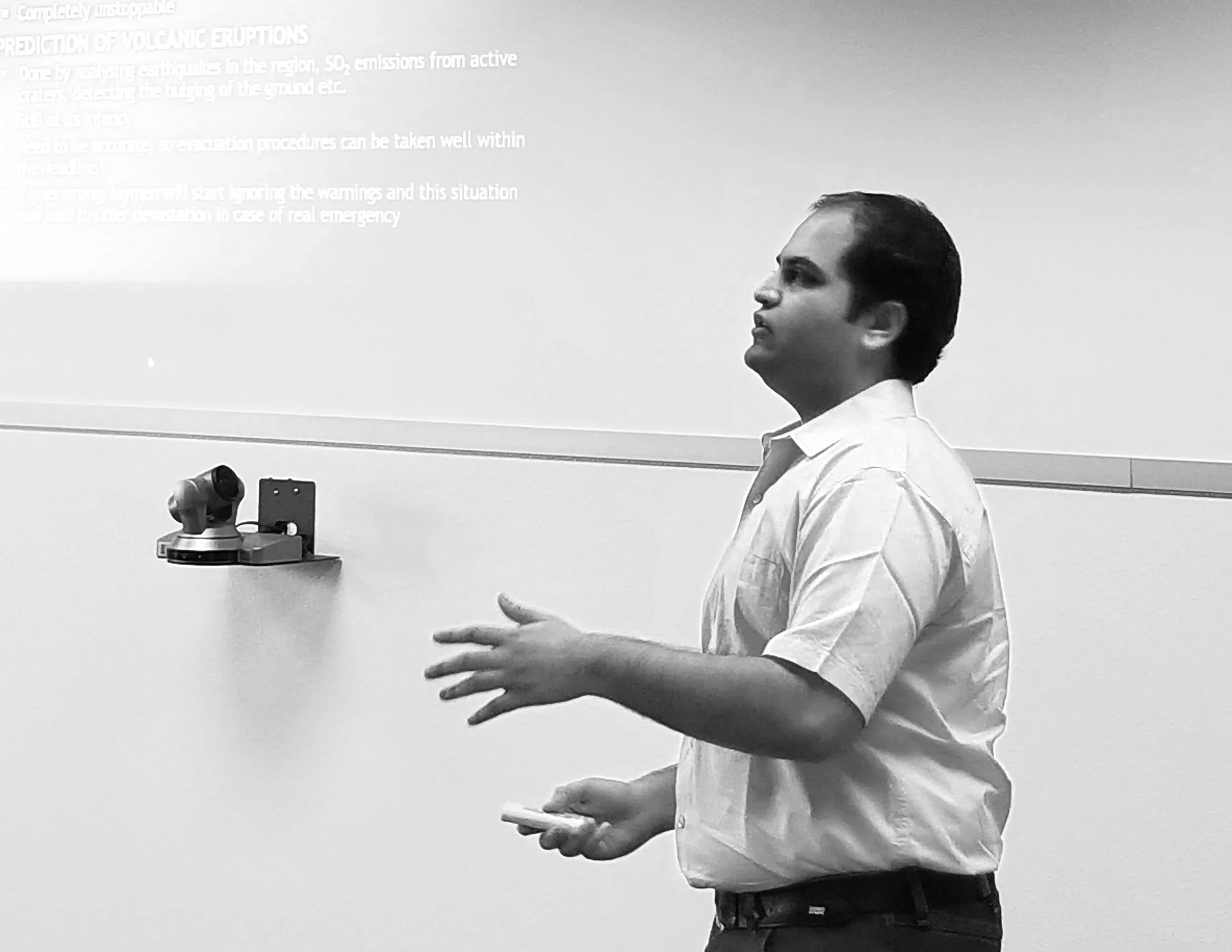

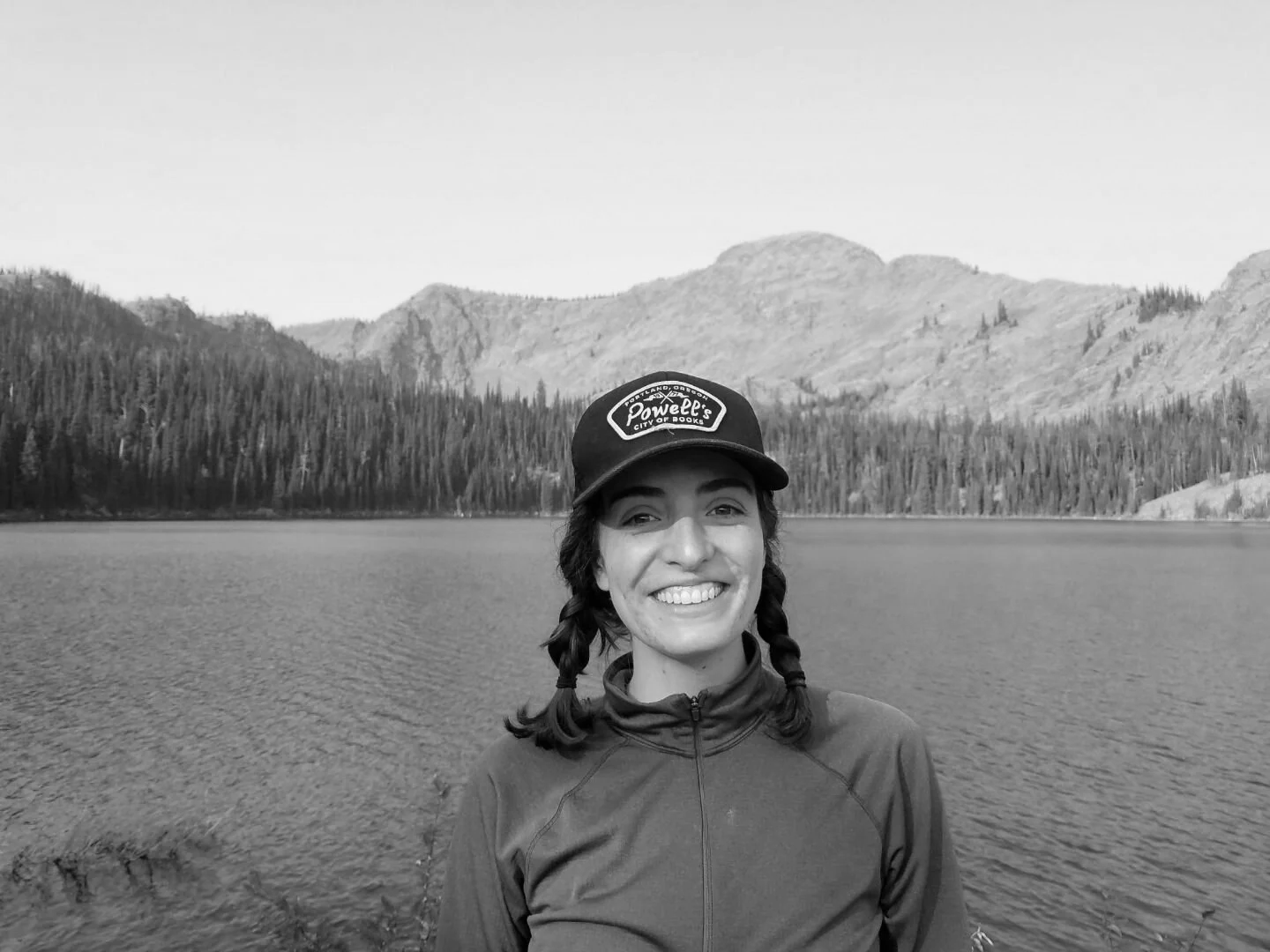
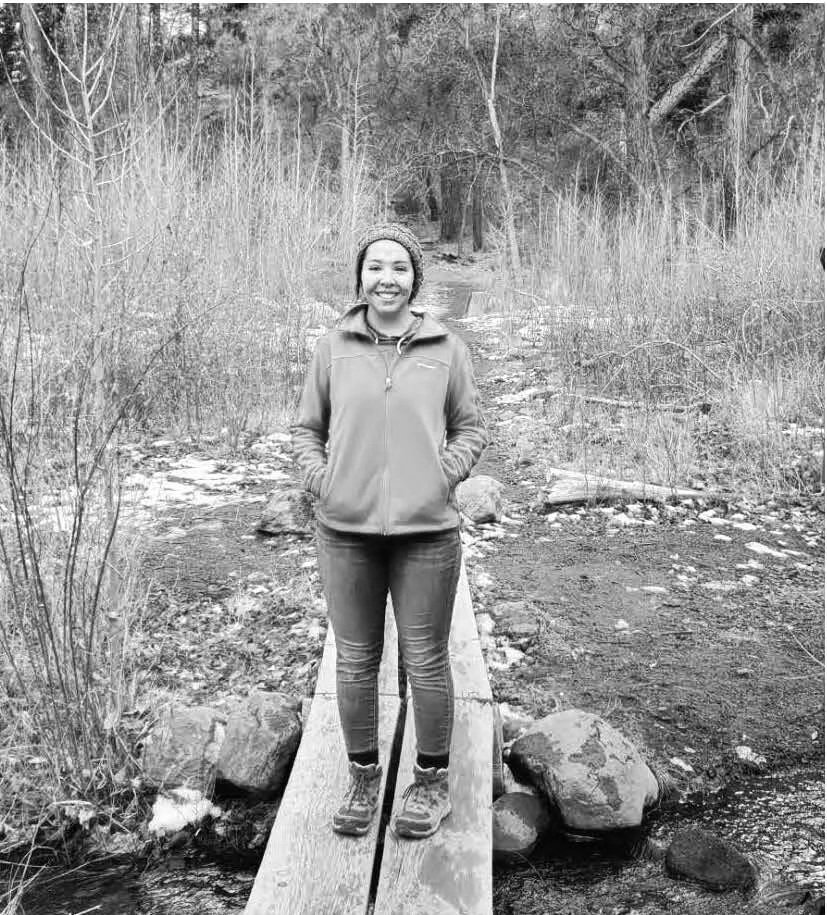
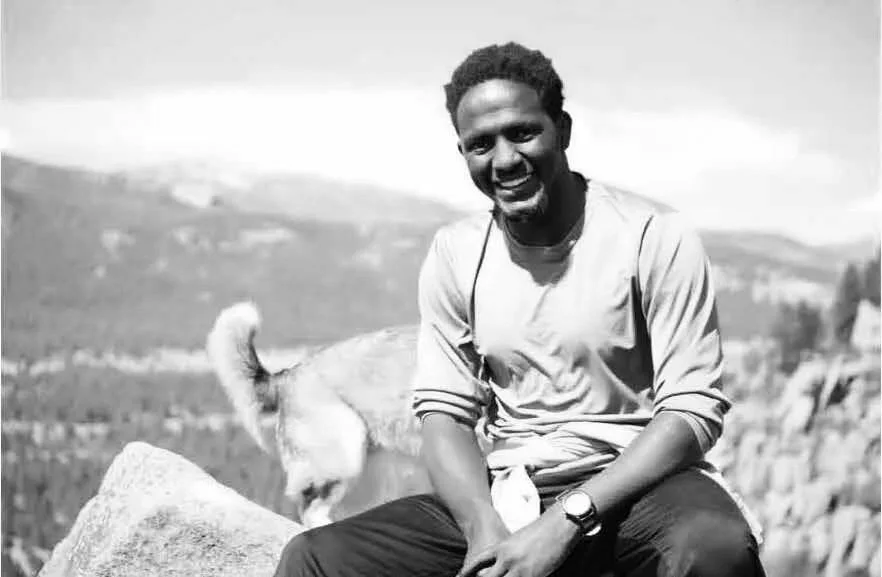
Ninad Bhagwat: modeling Snowmelt Derived Runoff in the Upper Missouri River Basin
The quantification of the snowmelt derived runoff (SMR) to help estimate streamflow is a crucial step for water resource and disaster management in mountain watersheds. Development of the snowmelt runoff simulating models can precisely simulate and forecast the snowmelt runoff. In addition, advanced remote sensing techniques can enable researchers to acquire data required for snowmelt runoff modelling, with high spatial and temporal resolution. This research will model the snowmelt derived runoff in the Upper Missouri River Basin, with the goal of forecasting future streamflow in the watershed, as well as the hydroelectric generating capacity of a major dam on the Upper Missouri, the Morony Dam. This model and its forecasting capacity will be transferrable to existing and prospective run-of-river hydropower plants around the world.
Ninad Bhagwat earned his bachelor’s degree in Civil Engineering from University of Mumbai, India, and earned his master’s degree in Geophysical Engineering from Montana Technological University. He is currently pursuing his doctoral degree in Earth Science and Engineering at Montana Technological University. His research interests include remote sensing, snow hydrology, natural hazards, spectroscopy, and fluid mechanics. He has published a series of articles in a regional newspaper in India communicating important geological information.
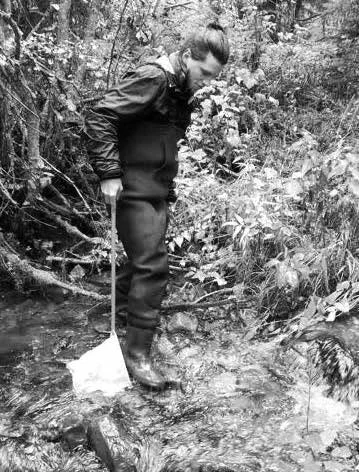
Jackson Birrell and james Frakes: Testing thermal tolerance breadth and acclimation ability of aquatic insects
Climate change is rapidly altering water temperatures of Montana’s streams. Understanding the mechanisms that allow local populations of aquatic insects to develop broad thermal tolerance traits via acclimation or adaptation will be key to predicting population persistence. The Climate Variability Hypothesis (CVH) predicts that insects from thermally variable environments should adapt broader thermal tolerance limits and superior acclimation abilities. Here, we perform a rare test of the CVH at local scales. We measure the thermal limits of mayfly (Baetis sp.) and stonefly (Hesperoperla pacifica) nymphs before and after acclimation to different temperature regimes from two nearby, but thermally distinct rivers – a stable spring creek (Big Spring Creek) and a variable snowmelt creek (Judith River), near Lewistown MT.
James Frakes is a master’s student at the University of Montana working on the eco-physiology of aquatic insects with a special focus on stoneflies. Jackson Birrell is a PhD student at the University of Montana studying the eco-physiology of insects. In particular, he’s interested in the mechanisms underlying stream insect distributions and responses to climate change.
ELIZABETH BREITMEYER: Characterizing hydrostratigraphic communication between unconsolidated sediment aquifers of the East Flathead, Montana
Increasing agricultural and domestic water demand is placing cumulative stress on intermontane aquifer systems. Water use policy makers require tools to simulate future water use conditions accounting for changes in land use. The accurate characterization of hydrostratigraphy is a critical piece of information needed to develop groundwater models. Non-invasive geophysical surveys can provide additional information regarding the subsurface conditions at a fraction of the cost of traditional well drilling operations and provide data integrated over a broader survey area. Determining the effectiveness of electromagnetic surveys in the delineation continuity and overarching geometry of aquifer systems could benefit the accuracy of the hydrostratigraphy used to conduct groundwater modeling scenarios. Water use policy will benefit from more accurate groundwater model scenarios obtained through effective imaging of the subsurface being modeled.
Elizabeth Breitmeyer is a graduate student working on a multidisciplinary modelling project at Montana Technological University in Butte, Montana. Her project is testing the efficacy of electromagnetics in the characterization of hydrostratigraphic connectivity of the various aquifers of the Flathead Valley. The focus of her studies is coupling models of changes in electrical properties from geophysical imaging investigations with groundwater models of her project area.
samuel fritz: Net-Spinning Caddisfly Density Affects on Streambed Retention of Microplastics
Ecologists have long studied how the physical environment affect organisms found in freshwater systems. However, the way freshwater organisms in turn affect their physical environment has only recently received serious investigation. His research is focused on understanding how ecosystem engineering by net-spinning caddisfly larvae (Hydropsychidae) affects the movement and cycling of nutrients and pollutants through freshwater streams. He is currently researching the role caddisflies may play in determining the transport of microplastic particles in freshwater systems. A strengthened understanding of the role ecosystem engineers play in determining microplastic fate will lead to a greater understanding of the movement of plastic pollution through the earth’s freshwaters.
Samuel Fritz is a PhD student working under Dr. Lindsey Albertson in Montana State University’s Department of Ecology. His current research focuses on the role caddisflies may play in determining the transport of microplastic particles in freshwater systems, which will lead to a greater understanding of the movement of plastic pollution through the earth’s freshwaters.
TYLER KAMP: Site Characterization for Restoration of the Abandoned Elkhorn Mine and Mill
The formation of acid mine drainage (AMD) and the contaminants associated with it has been described by some as the largest environmental problem facing the U.S. mining industry. In the western U.S., the Forest Service estimates that between 20,000 and 50,000 mines are currently generating acid on Forest Service lands which impacts between 8,000 and 16,000 kilometers of streams. Determining if groundwater is contaminated is not as straightforward as surface water is, and there is a need for the study of AMD’s connection between soil, groundwater, and surface water. This research focuses on the abandoned Elkhorn mine and mill site and the resulting impacts on water quality in Elkhorn Creek in the Pioneer Mountains of Montana. The project is conducted in conjunction with the Big Hole Watershed Committee, the US Forest Service, and WindenWater and is part of an ongoing analysis and restoration of Elkhorn Creek and nearby sediments that have been impacted by acid mine drainage. The creek around the mine and mill site show water quality below the standards set and previous work by Watershed Consulting LLC revealed copper and lead levels almost two times the acute and chronic toxicity levels. Further investigation and intervention is needed, and detailed analysis of contamination spots must be determined. Surface water and groundwater interactions will be analyzed along with soil and water chemistry of the creek and groundwater.
Tyler Kamp earned his bachelors in geology at the University of Illinois at Urbana-Champaign in 2016. After working in oil and gold for 4 years, he came to Montana Technological University to pursue a masters in Hydrogeology under direction of Glenn Shaw. His interests revolve around water quality from mine waste.
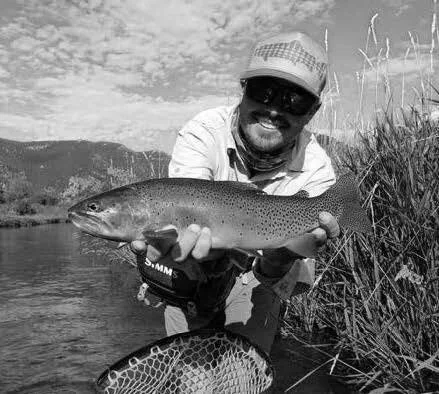
Andrew lahr: Quantifying the effects of beaver mimicry on fish habitat and populations in Western Montana.
Low tech stream restoration approaches, such as Beaver Dam Analogs (BDAs), have become a prevalent technique used to improve incised and eroded streams as well as store water throughout the Western United states. Due to the success of these techniques in achieving geomorphic and hydrologic restoration goals, BDAs have become common in western streams. Despite this success, information regarding how these types of restoration structures change aquatic habitat and in turn influence fish populations is limited. To address these key knowledge gaps, we are conducting a Before After Control Impact (BACI) study on the changes caused by BDAs on aquatic habitat (geomorphology, temperature, water storage) and trout populations (growth, survival, movement) in three pairs of streams in western Montana.
Andrew Lahr is a PhD Candidate at the University of Montana in the Wildlife Biology degree program. Working under the guidance of Dr. Lisa Eby, Lahr studies the effects of beaver and beaver-based stream restoration on trout communities and habitats in the Rocky Mountain West. More generally, Lahr’s research interests surround the creation of climate solutions for inland fisheries through the restoration of eco-geo feed backs at the nexus of terrestrial and aquatic systems.
Zachary lauffenburger: Impact of Climate water deficit thresholds on dryland agriculture in the Western US
Farmers in the western U.S. have a long history of adapting to variations in the climate in order to maximize revenue while minimizing risk. Climate change, however, is disrupting historical climate patterns at an accelerating rate. Therefore, it is important to identify regions where rainfed crop production is teetering on climatic thresholds in order to anticipate increases in crop abandonment.
Zachary H. Lauffenburger is a PhD student, and UM BRIDGES Fellow, working in the Regional Hydrology Lab at the University of Montana. His research explores the hydro-economics of agriculture in the western U.S. Using combinations of historical crop data, satellite observations, climate change projections, and models, Zachary strives to ensure agricultural production and water resources are sustainable throughout the coming century.
Zach Maguire: Evaluating the influence of tributary confluences on macroinvertebrate and trout populations in the Madison River, Montana
Changes to climate, land use, and flow regimes are altering macroinvertebrate and fish populations in river ecosystems worldwide and are the hypothesized mechanisms for the decline of these populations in the Madison River, Montana. Tributaries can alter the biotic and abiotic characteristics of mainstem rivers where they merge, but little is known about how these areas influence macroinvertebrate drift in the water column and availability of food for fishes in regulated rivers.
Zach Maguire is a Master’s student in the Ecology Department at Montana State University. His research is using field surveys to investigate tributary confluences on the Madison River, specifically documenting how macroinvertebrate community metrics in the benthos and the drift differ between the mouth of tributaries and the mainstem. Additionally, he is quantifying the influence of a suite of abiotic & biotic factors (temperature, sediment size, biofilm, riparian community, etc.) on the macroinvertebrate communities both in the tributaries and the mainstem. Zach will use these data to estimate how much food is available to trout (caloric opportunity) at the mouth of 5 tributaries and to compare availability at locations just upstream compared to just downstream of a tributary confluence.
Jenna Rolle: Determining controls on snowpack and soil isotopic spatial heterogeneity
Snow accumulation, storage, and melt play an essential role in the hydrological processes of snow-dominated mountainous catchments. Low evapotranspiration rates during the winter months make groundwater recharge processes more sensitive to snow inputs than rainfall. Stable isotopes of hydrogen and oxygen are used as environmental tracers to track snow inputs as they move through hydrologic systems. Isotopic fractionation leads to a lighter isotopic ratio in snow than rainfall, and the two can be traced independently as they move through the subsurface and into surface water reservoirs. This distinction between the two precipitation inputs allows researchers to gauge how changing snow budgets and dynamics will affect water resources in montane catchments.
Jenna Rolle is a MS student in the Geosciences Department at University of Montana. She researches spatial controls on snow isotopic signature and how the snowmelt pulse propagates through the subsurface in two headwater catchments. She hopes to use this information to refine sampling techniques for snow isotopic signatures and help study the impacts of dwindling snowpack resources on valley aquifer systems common in the Northern Rockies.
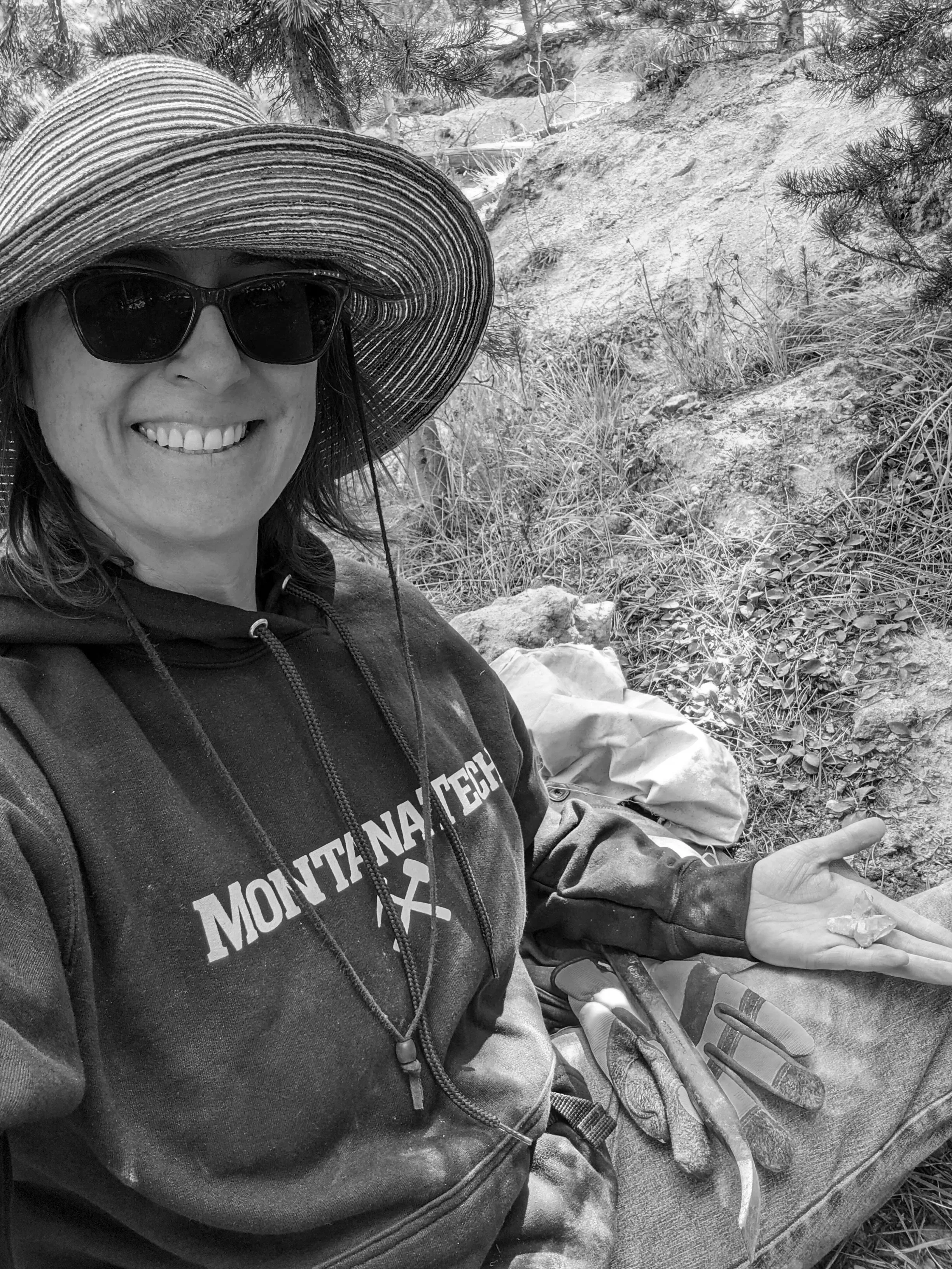
mercedes salazar: Examining the Impacts of Beaver Dam Mimicry Structures on Groundwater-Surface Water Interactions
As global climate continues to change and summer becomes increasingly dry, it is critical to find low impact methods of ensuring surface flow continues year round. Continuous surface flow and near-surface groundwater flow are vital for both sustaining riparian ecosystems and agriculture. BDAs are a simple, effective, and cost efficient method of restoring and creating high complexity riparian environments. Beaver dam analogs are human constructed dams that are built to mimic the impacts of natural beaver dams with the primary goals of decreasing surface flow velocity, increasing sediment load deposition, increasing infiltration (and thus raising water table elevations), and creating or improving riparian habitats.
Mercedes D. Salazar is a Masters student in Hydrogeology at Montana Technological University where she is studying surface-groundwater interactions as a result of BDAs in mountain front riparian systems. Mercedes received a Bachelor’s of Science in Geology and Earth Science from the New Mexico Institute of Mining and Geology.
amos taiswa: Biofouling Mitigation using Polydopamine/Copper Coater Polypropylene Spacers with Periodic Hydrogen Peroxide Cleaning
Reverse Osmosis (RO) is one of the most effective techniques used in water desalination. Biofouling, which is the deposition and growth of bacteria on membrane surfaces persists as an Achilles’ heel in RO. Over the years, scientists and engineers have researched and studied different techniques to mitigate biofouling. The use of biocidal metals such as copper and silver has been suggested as an effective alternative. Improving the longevity of these metal ions on the membrane or support spacers has been suggested to be critical in attaining a long-lasting solution. Herein, polydopamine’s chelation nature to metal ions is investigated on copper ions onto a polypropylene (PP) spacer (mesh), the longevity of these ions is tested in a bench-scale RO system. The supplementary effect of hydrogen peroxide on biofilm is investigated as well.
Amos Taiswa is a Ph.D. student at Montana Technological University. Amos’ studies and research are centered on membrane technologies and biofilm control in engineered water systems such as reverse osmosis and ultrafiltration. He investigates removal of unpleasant salts such as nitrates and sulfates on the Judith River Watershed (JRW). He implements a material fabrication technique i.e., electrospinning to producing polymers designed to reduce biofouling. The fabricated polymers, in most cases, contain antimicrobial and anti-quorum sensing materials doctored onto them for effective biofilm control and removal. He believes that his research will help reduce the water shortage facing over 41% of the world’s population.