marina barbosa Santos
understanding Hydrologic Connectivity in Gravel-Bed Rivers
Marina’s research centers on the Clark Fork River near Missoula, where she is investigating how surface water and groundwater interact across floodplains and side channels under varying flow conditions. Using repeated UAV (Unmanned Aerial Vehicle) surveys, thermal imagery, in-situ water-level measurements, and data from NASA’s Surface Water and Ocean Topography (SWOT) satellite mission, she aims to integrate high-resolution drone observations with satellite-scale data to better capture the spatial and temporal complexity of river connectivity. The goal of this work is to develop workflows that support long-term monitoring and river management in Montana and similar river systems.
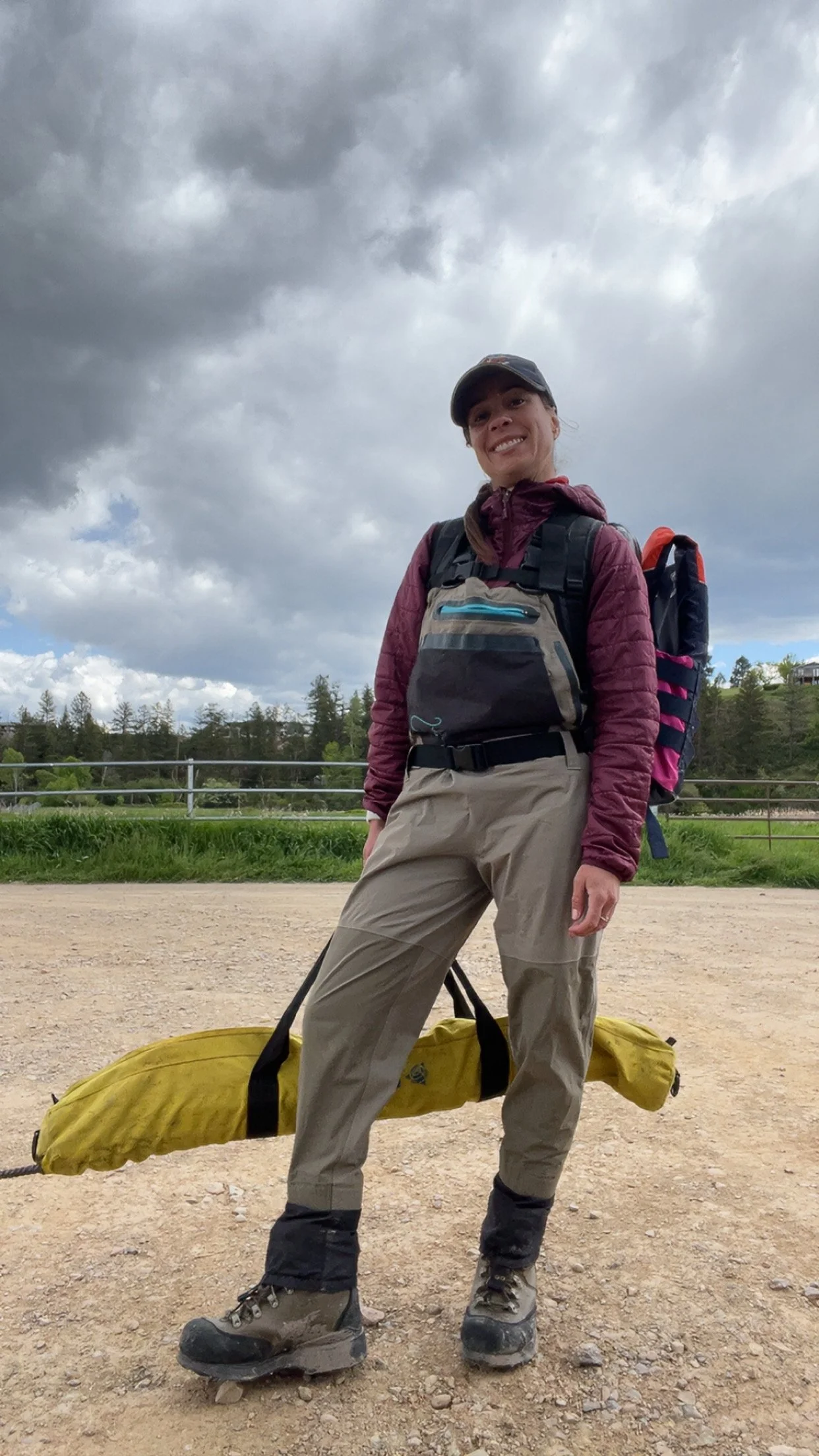
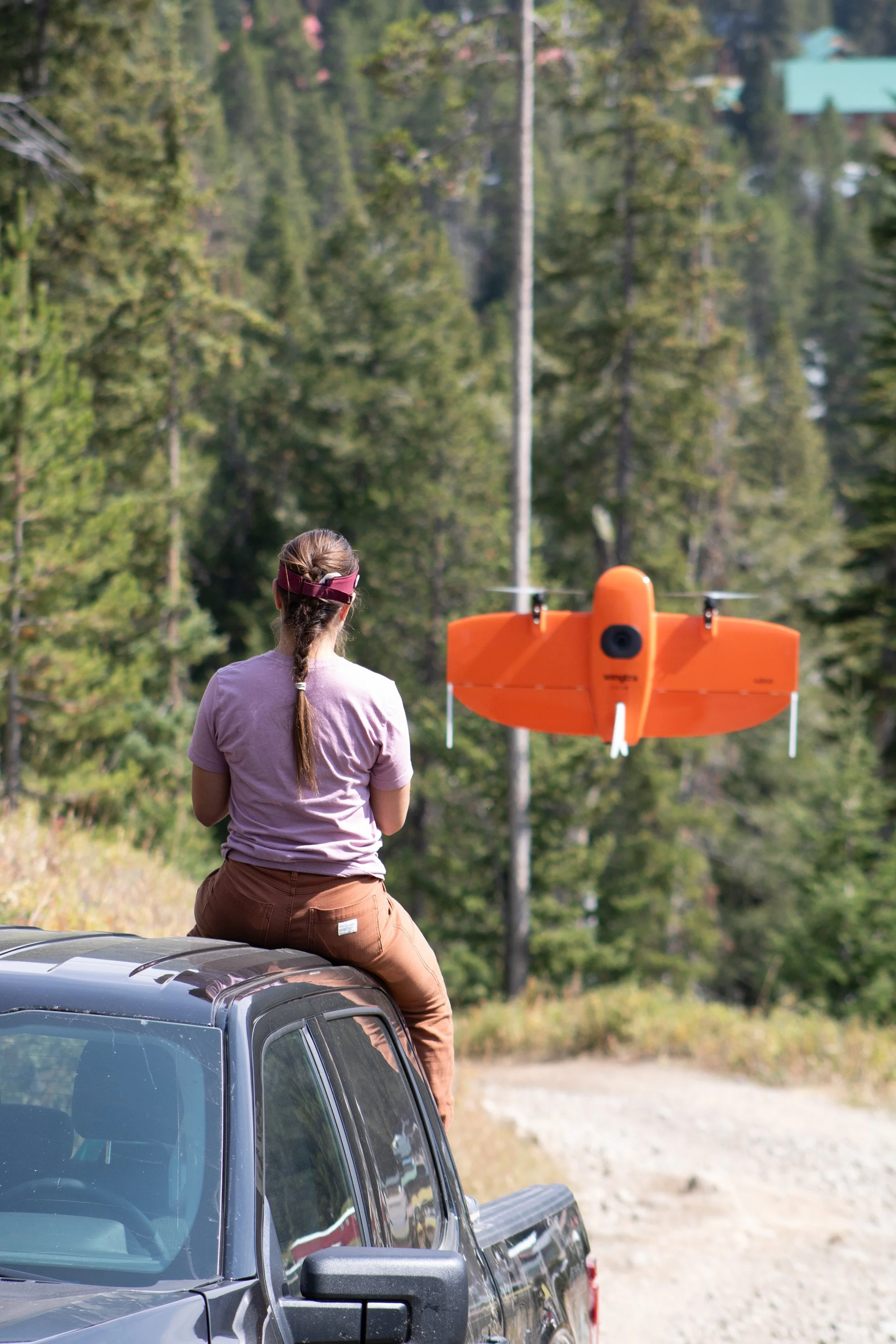
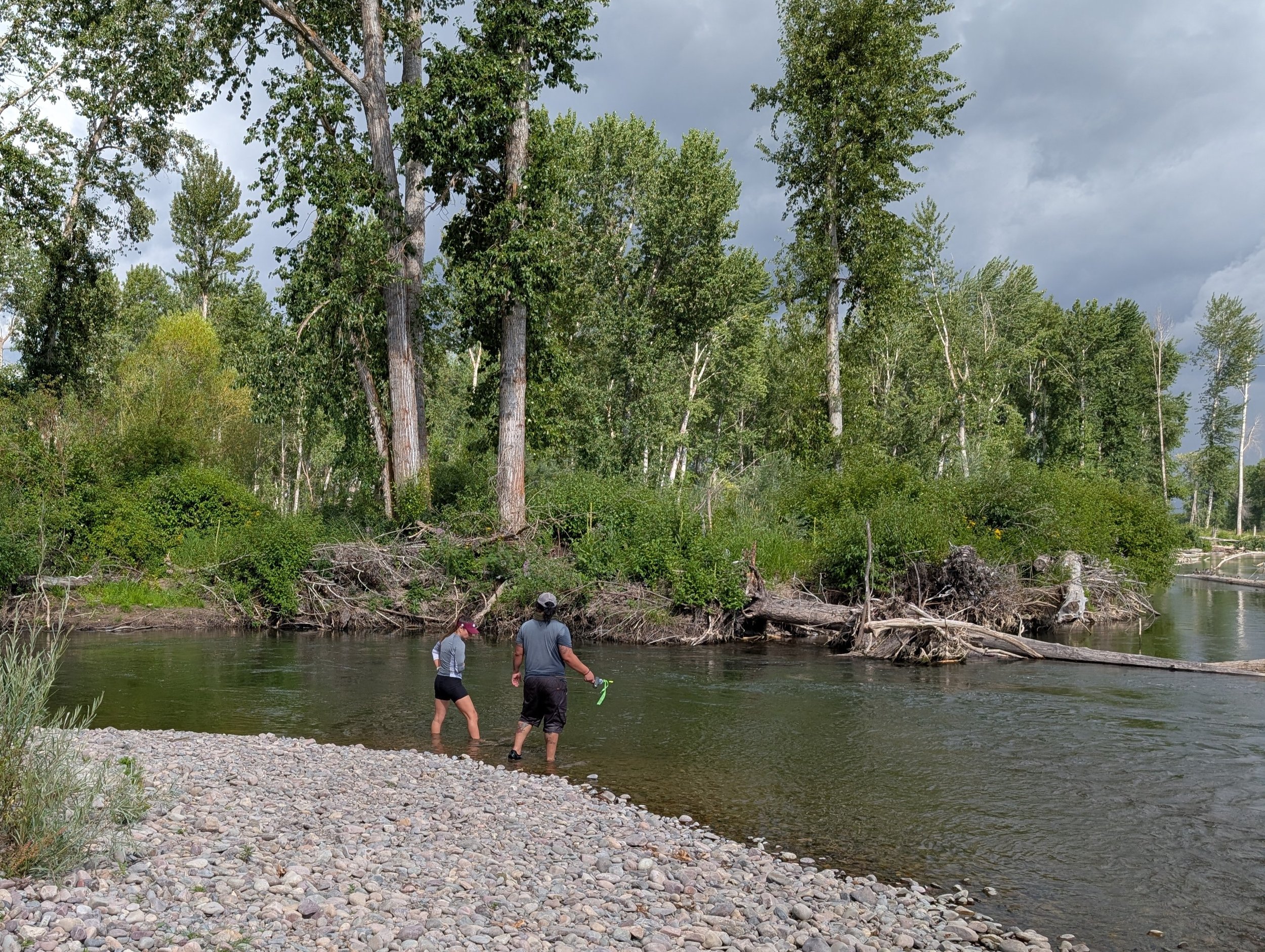
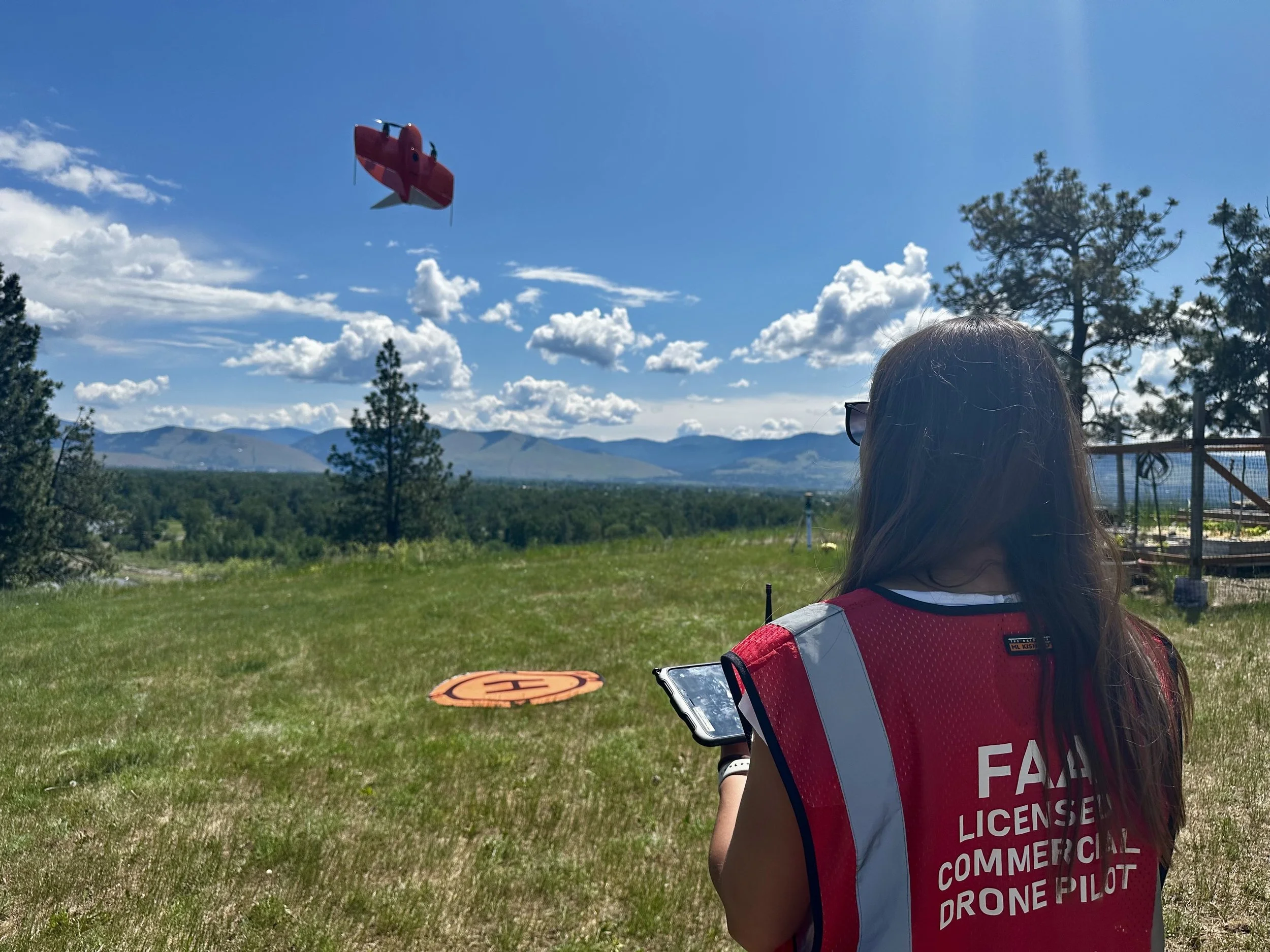
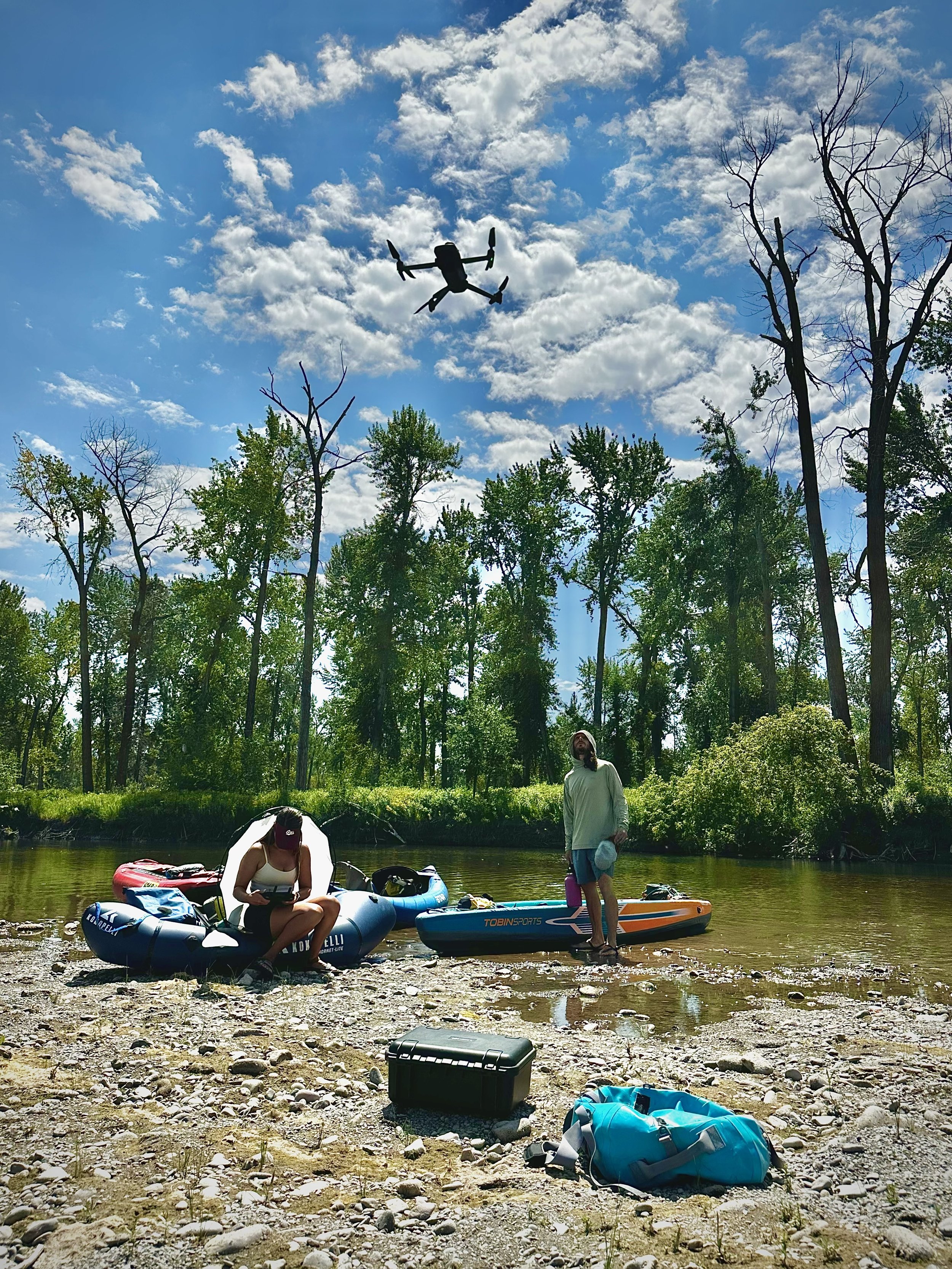
Marina Barbosa Santos is a Master’s student in Geosciences at the University of Montana, where she works with Dr. Andrew Wilcox studying hydrologic connectivity in gravel-bed rivers. Originally from Brazil, a country shaped by dynamic river systems including the Amazon River, Marina developed an early appreciation for the ecological and societal importance of these landscapes. Marina’s interest in river research expanded through her work with drone-based repeat photography of the old Chena Townsite along the Tanana River in Fairbanks, Alaska, where she began exploring how emerging technologies can transform the way we observe and study riverscapes. Following completion of her degree, Marina hopes to continue leveraging technology to advance research and applied river science with a focus on conservation.