safal adhikari
Multi-Scale Sensing to Assess Irrigation Effects on Wheat Production.
Irrigated agriculture sustains nearly half of global crop production but faces growing pressure from water scarcity. Therefore, this study will evaluate the water-saving potential of deficit irrigation on wheat growth, yield, and protein content under semi-arid Montana conditions. It aims to establish a threshold for the remotely sensed crop water stress index (CWSI) and estimate actual evapotranspiration for precision irrigation management. Data on soil water content across depths, crop physiological responses, thermal and multispectral canopy reflectance, yield, and protein content will be collected and analyzed. The results will provide a basis for data-driven irrigation scheduling and address spatiotemporal variability in wheat production.
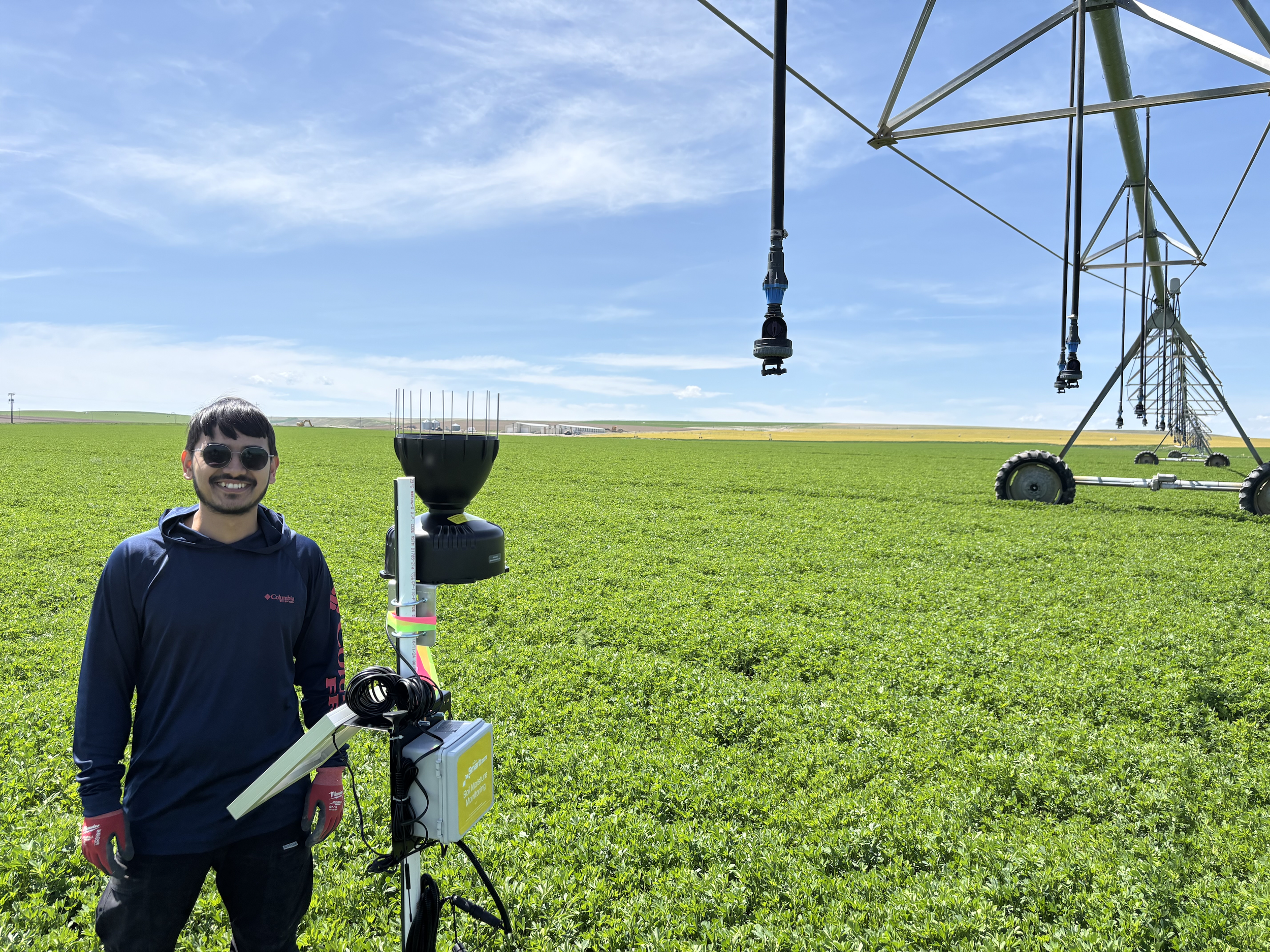
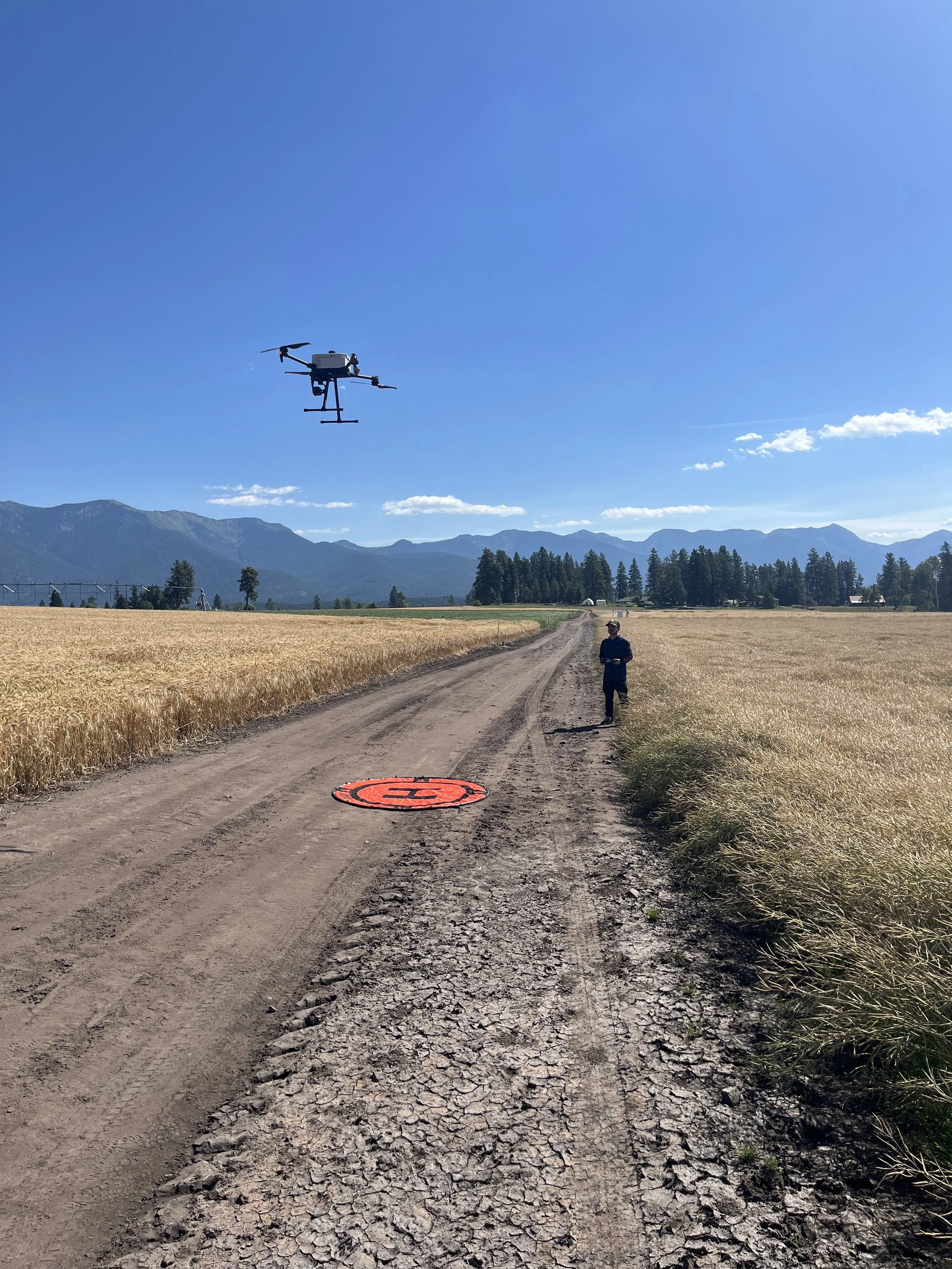
I am a master’s student in the Department of Land Resources and Environmental Sciences at Montana State University, working under the guidance of Dr. Anish Sapkota. My research focuses on using multiscale sensing approaches to understand how irrigation practices influence wheat growth, yield, and wateruse efficiency in semiarid agricultural systems. I’m particularly interested in developing datadriven tools that support precision irrigation and more sustainable crop production.